
How Every Major Economy Built Wealth Through Manufacturing
America made cars. Germany made machines. China made electronics. India knows this playbook. What changed isn't the ambition. It's that the economics have finally started telling the truth.
For years, manufacturing in India was more slogan than system. There were big announcements and ribbon cuttings, then the same friction underneath: inconsistent supply chains, unreliable tooling, high defect rates at scale. Intent was never the problem. Execution was.
India's Mobile Phone Manufacturing Success: A Proof Point for Appliances
India is now the world's second-largest mobile phone manufacturer. Not second in Asia, second globally. It didn't happen from a speech. Unit economics started working, policy aligned, and companies built real manufacturing infrastructure, not just assembly lines, inside India.
Now ask: what's the next phone? It's the appliance in your kitchen, your bedroom, your bathroom.
India's $23 Billion Appliance Market: Why Most Products Are Still Only Partly Made Locally
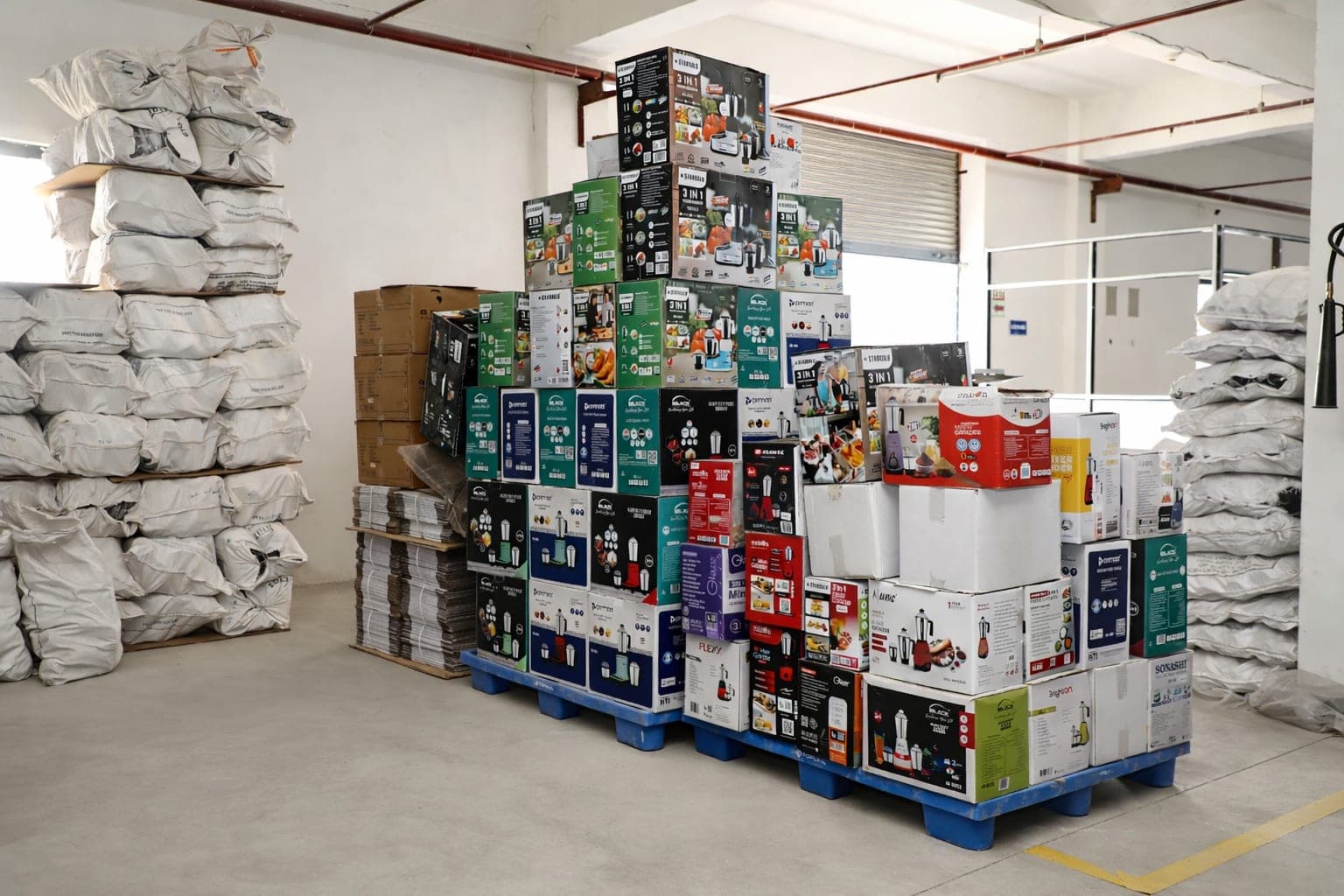
India's household appliance market is worth over $23 billion and growing at roughly 7% a year: ACs, washing machines, geysers, refrigerators, mixer grinders, water purifiers.
Most appliances sold in India are still only partially made here. That's not something to be embarrassed about. It's the single biggest manufacturing opportunity in the country right now. Whoever walks through that gap first builds a structural cost and quality advantage that's very hard to close later.
The Injection Moulding Problem in Indian Appliance Manufacturing
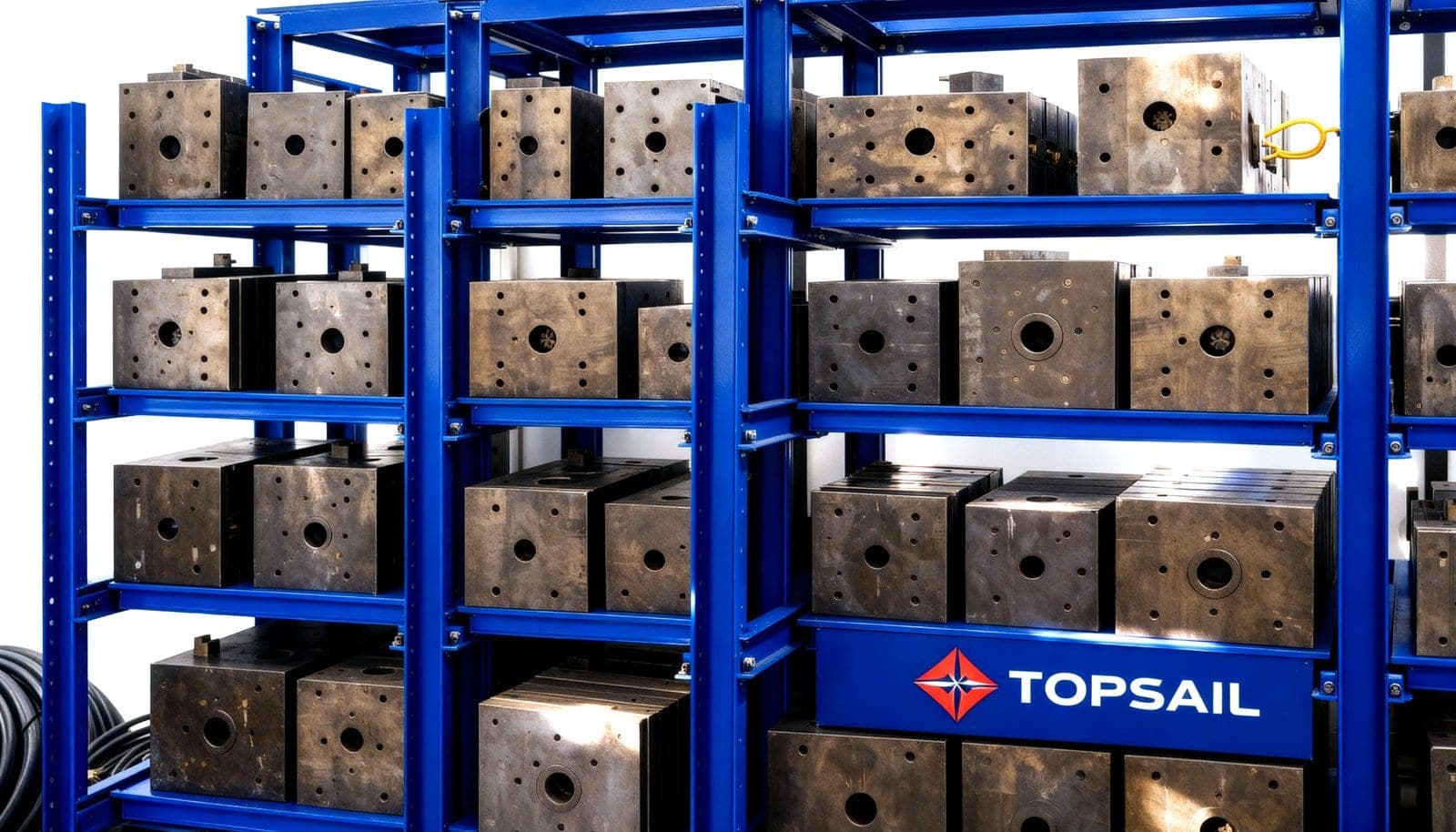
Almost every part you see on an appliance, from the shell, knobs and vents to the airflow channels and safety covers, is moulded plastic. If the mould is wrong, you don't find out on day one. You find out when volumes rise, when warranty calls start, when the fix means scrapping tooling you already paid for.
Cost to fix a mistake at the design stage
Cost to fix it after tooling is already cut
Cost to fix it once it's already in customer homes
Moulds require heavy upfront investment. They're slow to change once cut. Bad moulds don't show their problems immediately. They show them gradually, as volumes climb and defects multiply. The market is the final quality inspector, and the market is not forgiving.
Why Material Quality Is Just as Critical as Mould Design
Cheaper plastics look fine on day one. Three months later, in an Indian summer, they warp. They vibrate. They discolour. Six months later, it's a service problem. A year later, it's a brand problem.
Appliances are long-life products. A washing machine is expected to last 8 years, a geyser 10. The plastic parts have to last just as long. Without proper design, validation and upkeep, quality doesn't fail all at once. It erodes slowly, in a way that's hard to trace and impossible to ignore until it's already hit the margin line.
Appliances are the real test for Indian manufacturing, not phones, not garments. They expose whether the ecosystem can move beyond assembly into deep, process-driven execution.
What Is Manufacturing as a Service (MaaS) and How Does It Work?
The engineers and the factories exist. The supply base is growing. What's been missing is the reliable system that sits between a great product idea and a great product at scale, made consistently, month after month, on tight margins.
Under MaaS, ownership splits cleanly, and that split is the whole point:
The product design, and the moulds and dies. You're never locked in: switch partners or build your own factory later, and the tooling goes with you.
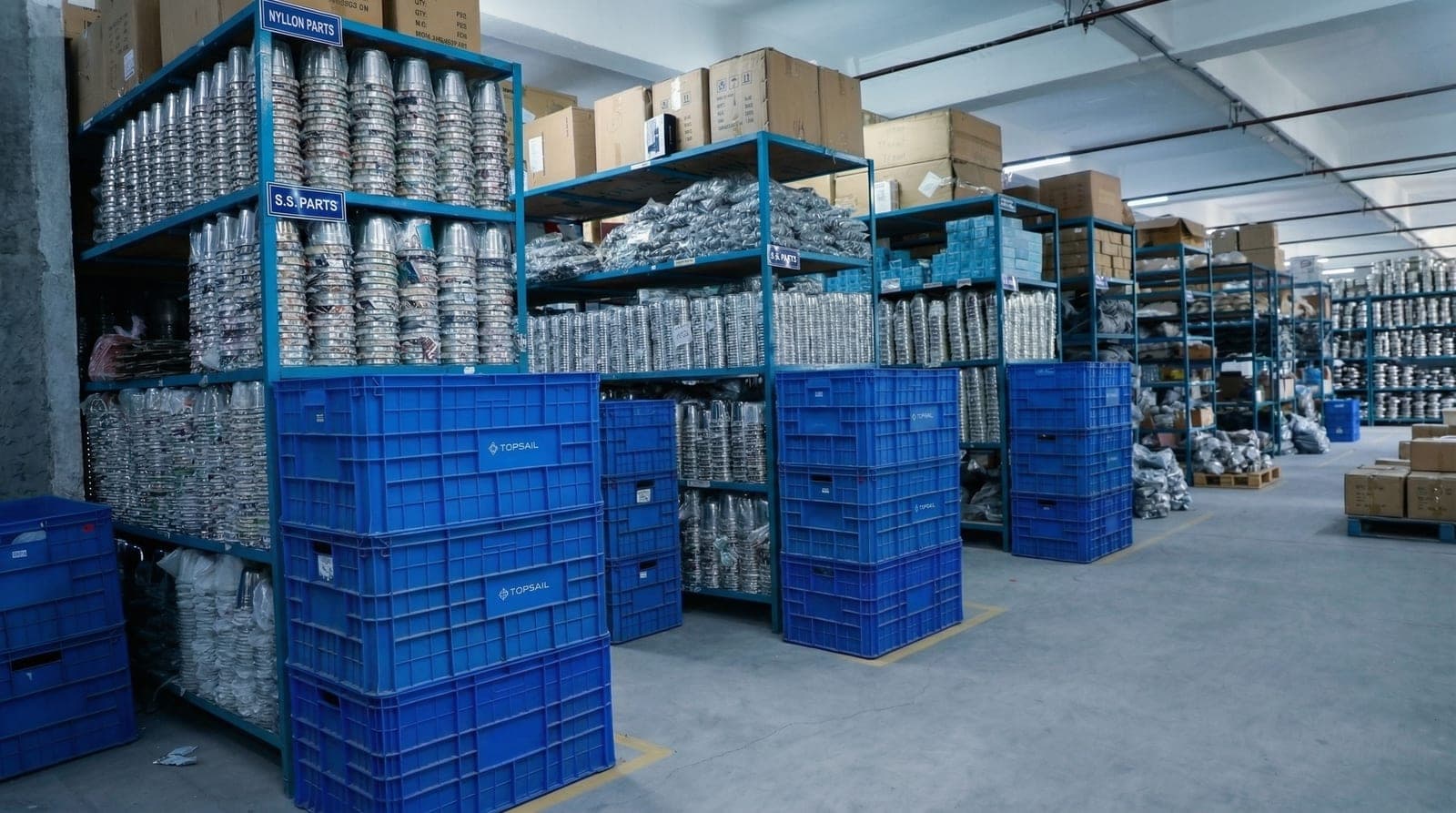
The factory: machines, trained operators, process controls, quality systems, and supplier relationships already built. You plug in, rather than start from scratch.
Incentives stay aligned: you retain strategic control, they focus on execution and consistency. It doesn't cut corners. It lowers the barrier to serious manufacturing while improving reliability at scale.
This is the same structure we describe in more detail in private label vs OEM vs ODM, if you want the comparison between the three models side by side.
Chinese Contract Manufacturing vs Local Production in India: A Landed Cost Comparison
Mature factories, experienced suppliers, decades of scale: the appeal of Chinese contract manufacturing is real. But run the landed-cost math honestly, and it stops looking attractive.
| Cost layer | What it is |
|---|---|
| Layer 1 | Basic Customs Duty |
| Layer 2 | Social Welfare Surcharge |
| 18–28% | IGST at domestic GST rates |
| Net | Landed cost is almost always higher than local manufacturing |
The costs that don't show up in that calculation are just as real: long lead times, shipping uncertainty, port delays, currency swings eating margins, slow iteration when something needs to change, and 5,000 km between you and your factory floor. When something goes wrong, and in manufacturing something always does, proximity matters.
Policy is unambiguous too: finished goods attract higher duties, raw materials and components attract lower ones. The government is stating its preference plainly: make it here.
But the deeper cost of importing is that it builds nothing. Every shipment you bring in, your team learns nothing and your costs don't fall. Local manufacturing compounds. Every cycle, costs fall and execution gets faster.
Why Now Is the Time to Build Appliance Manufacturing Capability in India
Manufacturing doesn't move on intent. It moves when the economics stop lying. In India, right now, they have. Import costs are real, policy direction is clear, the domestic market is large and growing, the talent exists, and the supply base is maturing.
We went from nowhere to number 2 in mobile phones in a decade. The companies building appliance manufacturing capability in India today will own that market for the next two decades. The ones waiting will spend those years buying from the ones who didn't.
What This Means for Your Brand
You've seen why appliance manufacturing in India works, and why Manufacturing as a Service is the cleanest way to build it without the capital risk of owning a factory. Topsail runs the moulds, the machines and the quality systems from a single vertically integrated facility in Silvassa. You keep the product, the tooling and the control.