
What Is the PLI Scheme, in Plain Words?
PLI stands for Production Linked Incentive. It's a government programme that pays a company extra money when that company makes and sells more of a product inside India, compared with what it made in a base year.
Think of it like a bonus. You don't get it just for showing up. You get it for growing your production, year after year, inside the country.
Which Appliances Does PLI Actually Cover?
This is where many brand owners get confused. The PLI scheme for white goods does not cover every home appliance. It was built for two specific product groups, air conditioners and LED lights, and mainly the key parts inside them, like compressors, copper tubes and circuit boards.
So if you sell mixer grinders, fans or choppers, this exact scheme doesn't apply to you directly. But it still matters, because it shows where the government's attention and money are going. The same push toward local manufacturing is coming for other appliance categories too, just through different tools like import duty and Make in India campaigns.
How the PLI Incentive Actually Works
- The scheme runs from the 2021–22 financial year through 2028–29.
- Eligible companies earn an incentive of 4 to 6 percent on incremental sales (sales above their base year) for five years.
- The goal is to raise domestic value addition, the part of the product actually made in India, from around 20–25% today to 75–80%.
- In the most recent round, five more companies were selected, committing over ₹860 crore to build AC component manufacturing, expected to create close to 1,800 direct jobs.
Across all rounds so far, dozens of companies have been brought into this scheme, with thousands of crores in committed investment. This is not a small pilot project. It's a real, funded push to build parts of the appliance supply chain inside India that used to come from abroad.
What Changed in Import Duty Recently, and What Did Not
A recent budget did lower the customs duty rate from 20% to 10%. Many people read this as good news for importers. It's important to be clear about what that change actually covers.
That duty cut applies to personal baggage, meaning goods a traveller carries with them into India for personal use. It does not apply to bulk commercial shipments that a business brings in to sell. If you import appliances or appliance parts as a business, this specific change does not lower your costs.
For business imports, the older, layered structure is still very much in place.
| Layer | What it means |
|---|---|
| Basic Customs Duty | Charged on the value of the goods when they enter India |
| Social Welfare Surcharge | An extra charge added on top of the basic customs duty |
| 18–28% IGST | Charged at domestic GST rates on the full import value |
| Net result | Finished appliances still cost more to import than raw materials or components do |
The recent budget also simplified how many of these rates are written down, moving more of them directly into the tariff schedule instead of scattered notifications, and it extended a large number of existing exemptions. But the core idea has not changed: finished goods pay more, components and raw materials pay less, and that gap is not shrinking.
What This Means If You Are Still Importing
If your business model today is bringing in finished appliances from abroad and selling them in India, these two things together, PLI funding and the ongoing duty gap, point the same direction. Government money is going toward local component manufacturing, and the duty structure still rewards local production over finished imports.
This doesn't mean you need to build a factory tomorrow. It means the cost gap between importing and manufacturing locally is not going to close on its own. If anything, it's likely to widen as more local component supply comes online through schemes like PLI.
How Appliance Brands Can Actually Use This Shift
You don't need to chase a PLI subsidy yourself to benefit from this trend. What you need is a manufacturing partner already set up to take advantage of a maturing local supply chain: better component availability, lower landed cost, and fewer of the duty layers that eat into imported goods.
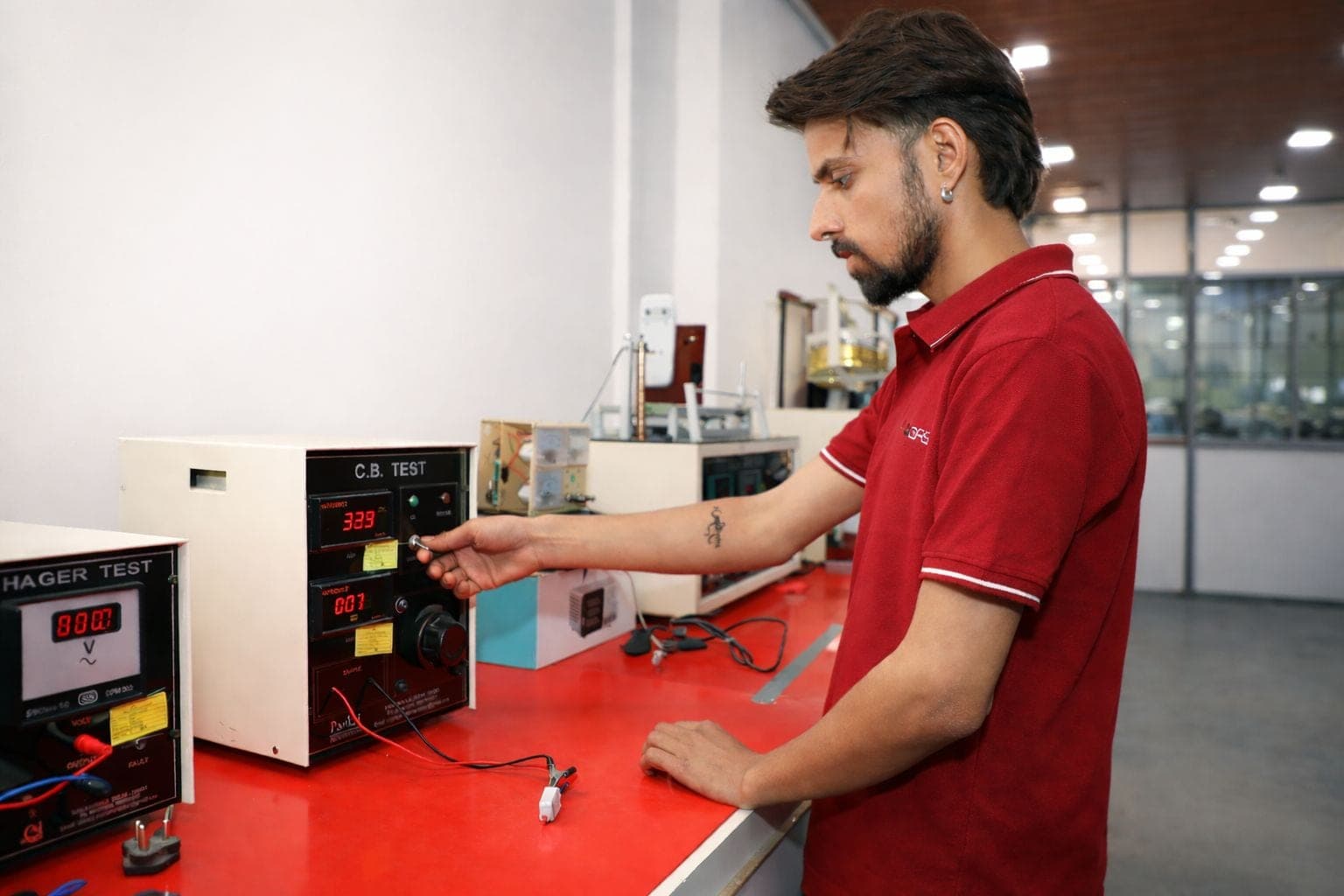
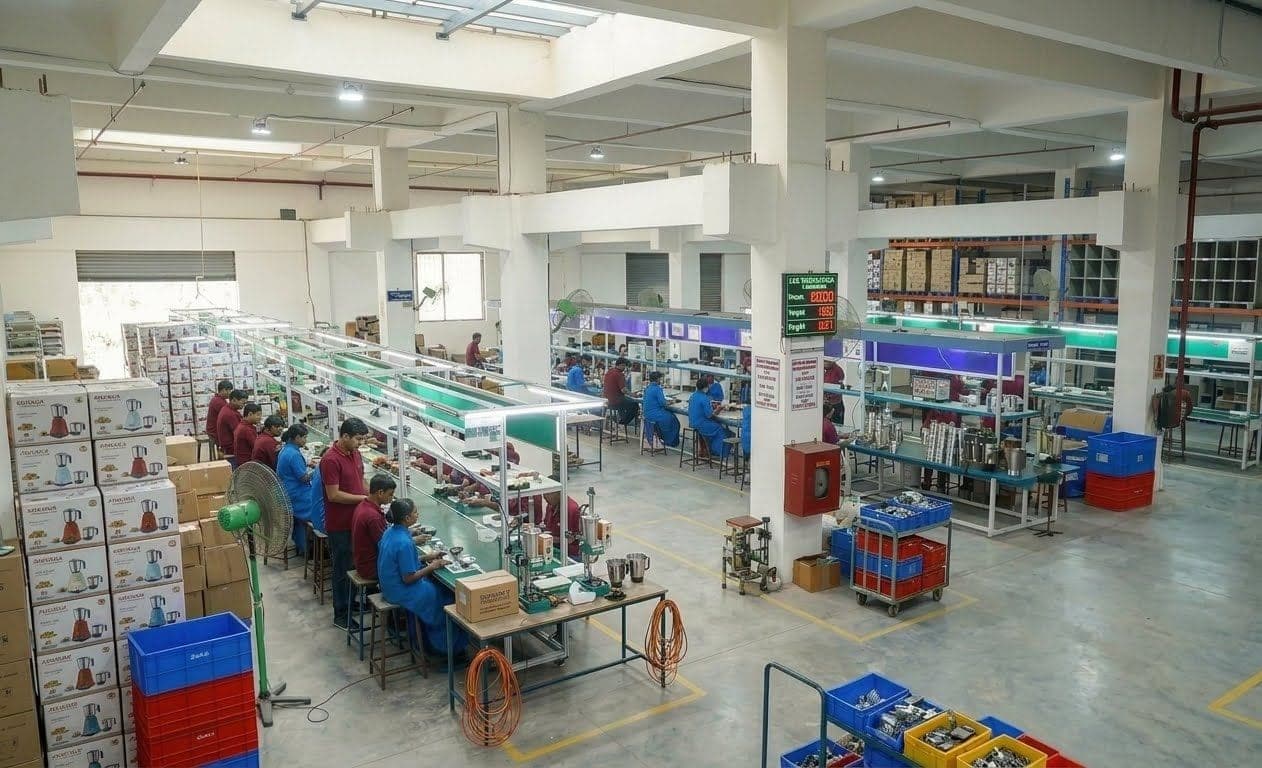
This is exactly what Manufacturing as a Service is built for. You keep your product design and your brand. Your partner runs the factory and plugs into the local supply chain that schemes like PLI are actively building out, so you benefit from the shift without having to track every policy update yourself.
Policy does not need to mention your product by name for it to affect you. When government money moves toward local manufacturing, the entire cost structure around it moves too, whether or not your appliance is on the official list.
If you're weighing that shift, why brands are diversifying away from China-only sourcing covers the risk side, and our capabilities show what's already running in Silvassa.
What This Means for Your Brand
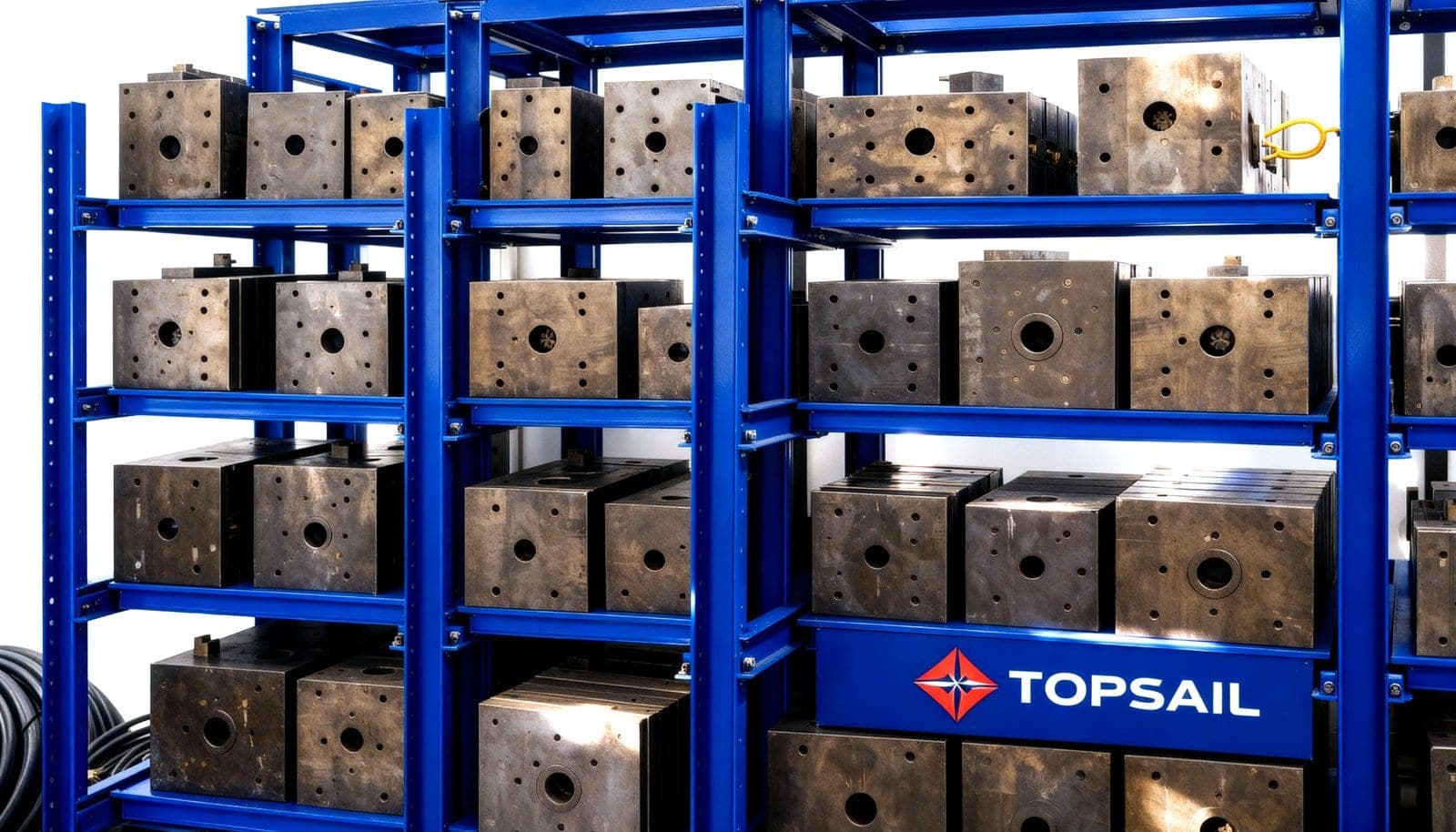
You've seen where government policy and money are actually heading, and why the cost gap between importing and local manufacturing isn't going away. Topsail runs the moulds, the machines and the quality systems. You keep the product, the brand and the control.