
OEM vs Private Label: The Short Answer
OEM vs private label comes down to one question: who owns the design and the mould? With private label, you put your brand on a product a factory already makes. It is fast and cheap, but any competitor can buy the identical product from the same factory. With OEM, the factory builds your own design using tooling made for it, and in most good deals you own the mould, so nobody can copy your product and you can move factories whenever you like. ODM sits in between: the factory designs the product, and you brand it.
What Is Private Label Manufacturing?
This is the model most brands find first. A factory already makes a product. You add your brand name and logo to it. You don't design anything, and you don't own any tooling.
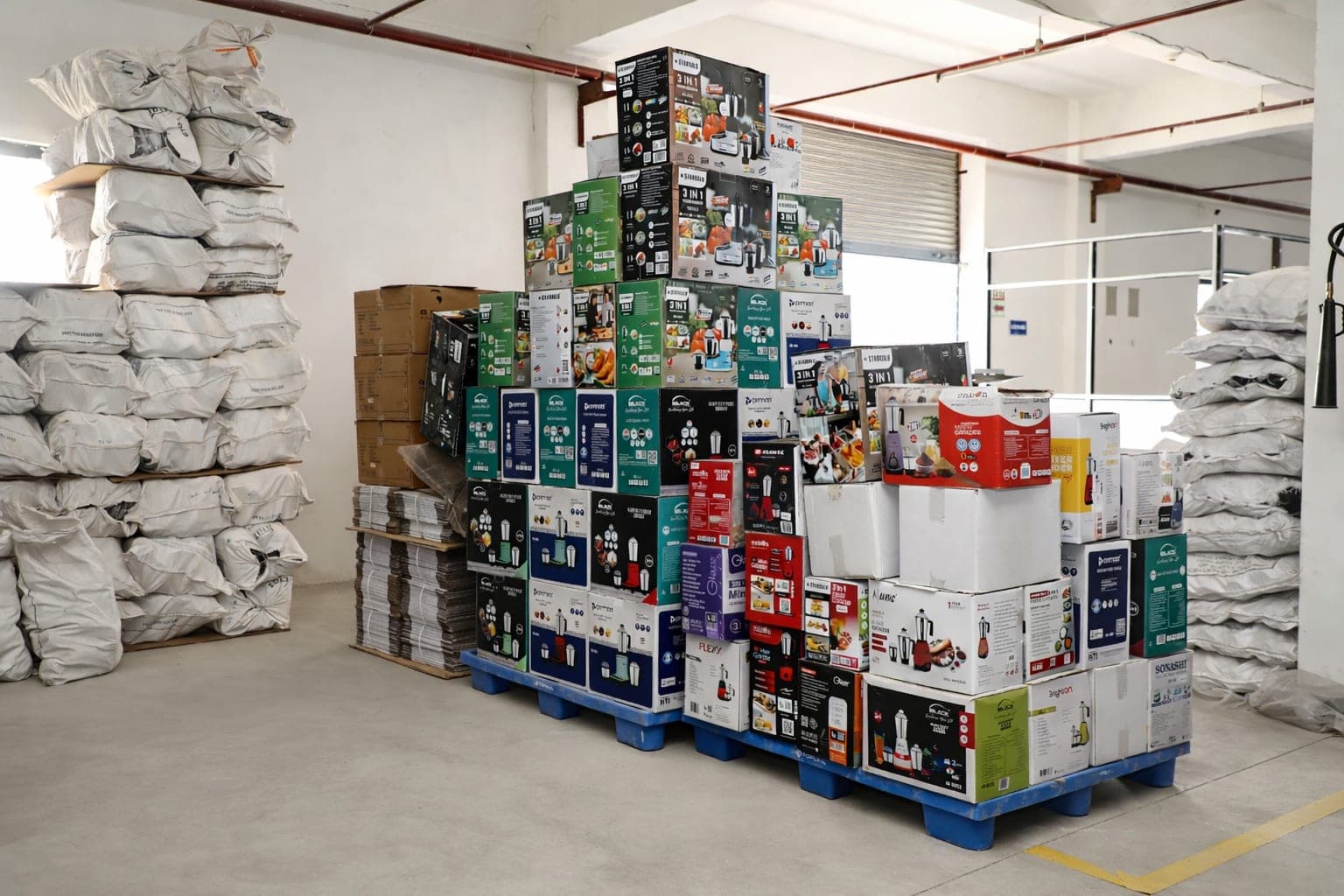
It's fast and cheap to start. But there's a catch. Your competitor can buy the exact same product from the exact same factory. The only difference between your product and theirs is the label.
Private label works well for a quick test. It isn't a strong long-term plan if you want a brand that stands apart.
What Is an OEM (Original Equipment Manufacturer)?
OEM stands for Original Equipment Manufacturer. Under this model you bring your own design, and the factory builds the product exactly to your specification, using tooling made for that design.
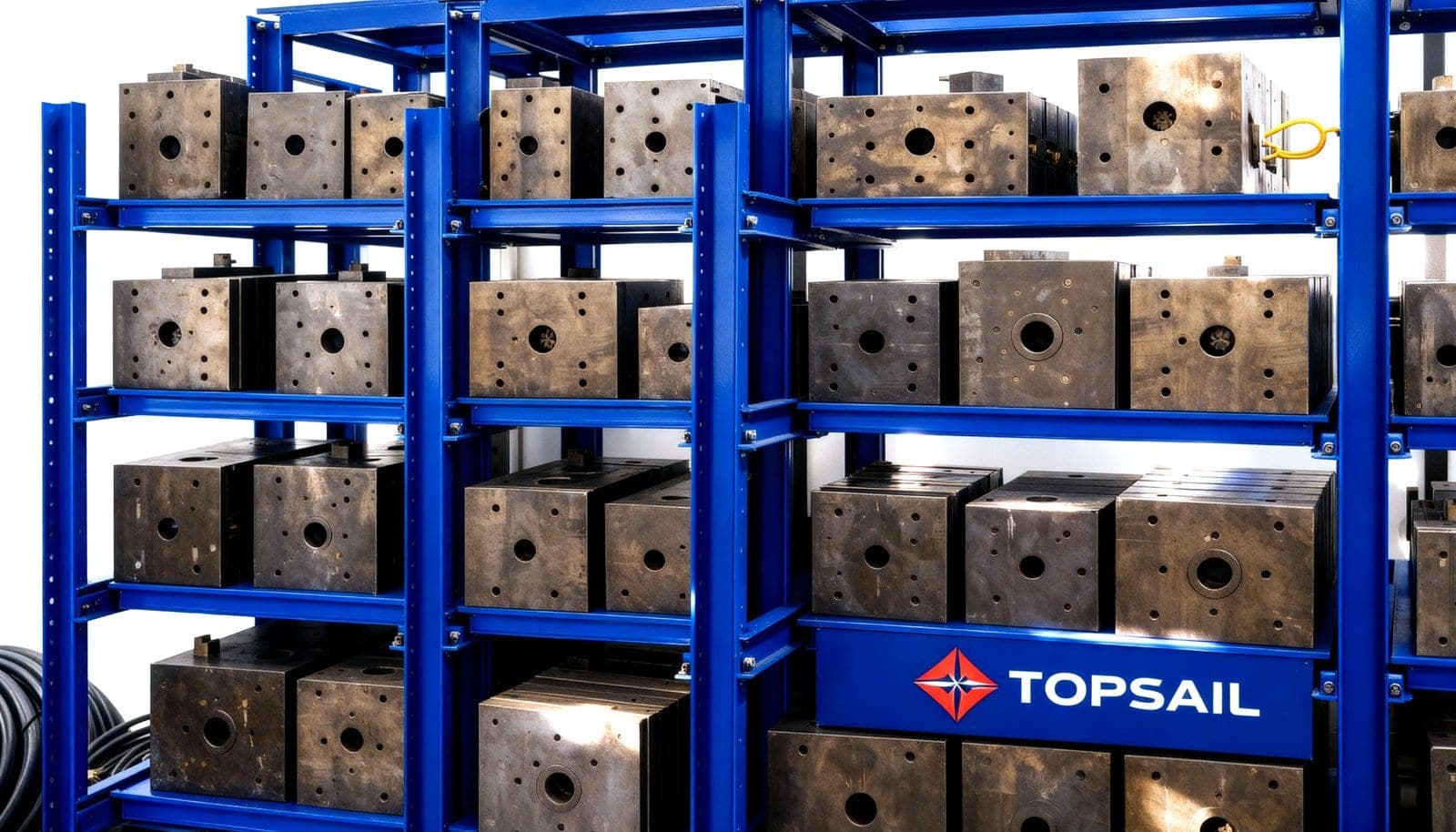
This is the model with the most control. You own the design. In most good OEM arrangements you also own the mould, which means if you ever want to switch factories, the tooling goes with you. No one else can copy your exact product, because no one else has your tooling.
OEM takes more planning than private label. But it builds something private label cannot: a product that is genuinely yours.
What Is ODM (Original Design Manufacturer)?
ODM stands for Original Design Manufacturer. Here the factory designs the product for you. You don't create the design yourself. You pick from what the factory offers, then add your brand and some small changes, like colour or a few features.
ODM sits between private label and OEM. It's faster than designing from scratch. But you usually don't own the core design or the mould, because the factory built them before you arrived.
White Label vs Private Label: Is There a Difference?
People often ask about the white label vs private label difference, and in most cases there is barely one. Both mean you're selling a product made by someone else under your own brand name.
The small distinction is that white label products are usually sold to many brands at once, while private label sometimes means a slightly more exclusive version of the same product. For practical purposes, treat them as the same model, because the white label supplier you rely on today may be selling that exact product to five other brands tomorrow.
Private Label vs OEM vs ODM: Side by Side
| Private Label | OEM | ODM | |
|---|---|---|---|
| Who designs the product | Factory (existing design) | You | Factory |
| Who owns the mould | Factory | You (in most deals) | Factory |
| Speed to launch | Fastest | Slower to start | Fast |
| How unique is your product | Not unique | Fully unique | Somewhat unique |
| Best for | Quick tests, low budget | Long-term brands | Fast launch with some branding |
Which One Should You Choose?
Ask yourself a few honest questions before you decide.
- Do you want a product no one else can copy? Choose OEM.
- Do you just want to test whether a product sells before investing more? Choose private label.
- Do you want to launch fast with some brand identity, without designing from scratch? Choose ODM.
- Do you plan to build a real appliance brand for the next 5 to 10 years? Choose OEM, almost every time.
Many importers start with private label to test the market. Once a product proves itself, they move to OEM, because that's where the real brand value gets built. The real timeline of an OEM appliance launch shows how long that move takes, stage by stage.
Private label gets you into the market fast. OEM is what keeps you in the market once your competitors show up with the same product from the same factory.
Why This Choice Matters More Than You Think
This isn't just a manufacturing decision. It's a brand protection decision.
If you never own your design or your mould, you are always one phone call away from your factory selling your exact product to your competitor. If you own your design and your mould, that risk disappears. You control your own future, no matter which factory you work with.
This is exactly why Manufacturing as a Service works so well with the OEM model. It's how you manufacture under your own brand in India without owning a factory yourself:
The product design and the mould. That combination is what makes the product genuinely yours and keeps you free to move.
The factory, the machines, the trained operators and the quality checks: a plant that already works, rather than one you have to build.
You get OEM-level control without the cost or risk of owning a factory. If you're weighing that route, you don't need a factory to own an appliance brand walks through the economics, and our capabilities page covers what sits under one roof in Silvassa.
What This Means for Your Brand
Whether you're testing your first private label product or ready to build a fully-owned OEM brand, the path forward doesn't need to start with owning a factory. Topsail runs the moulds, the machines and the quality systems. You keep the design, the brand and the control.