
The Five Most Common Reasons Appliance Products Fail Quality Checks
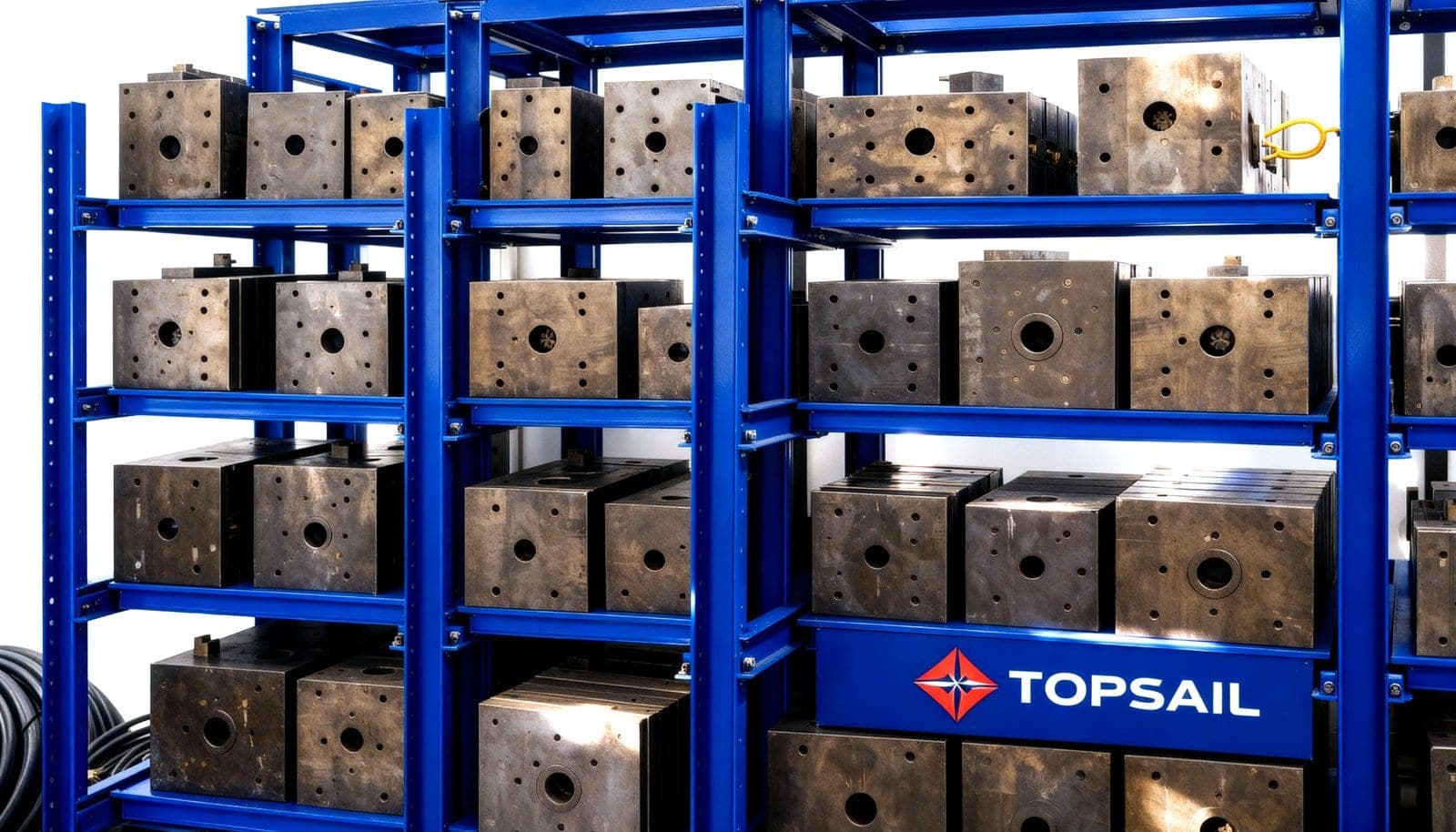
- A badly designed mould
- Cheap or wrong-grade plastic material
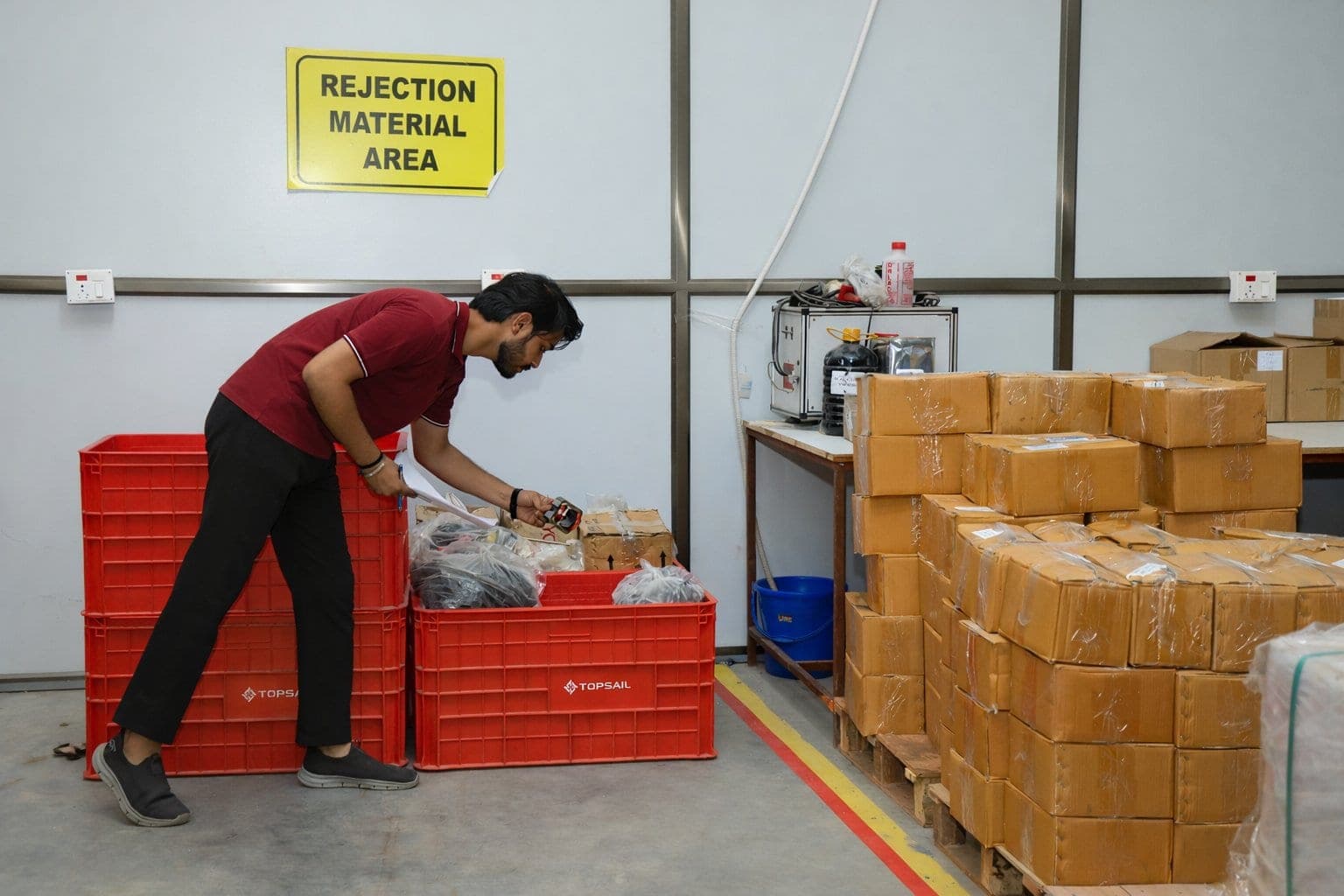
- No written quality control checklist on the shop floor
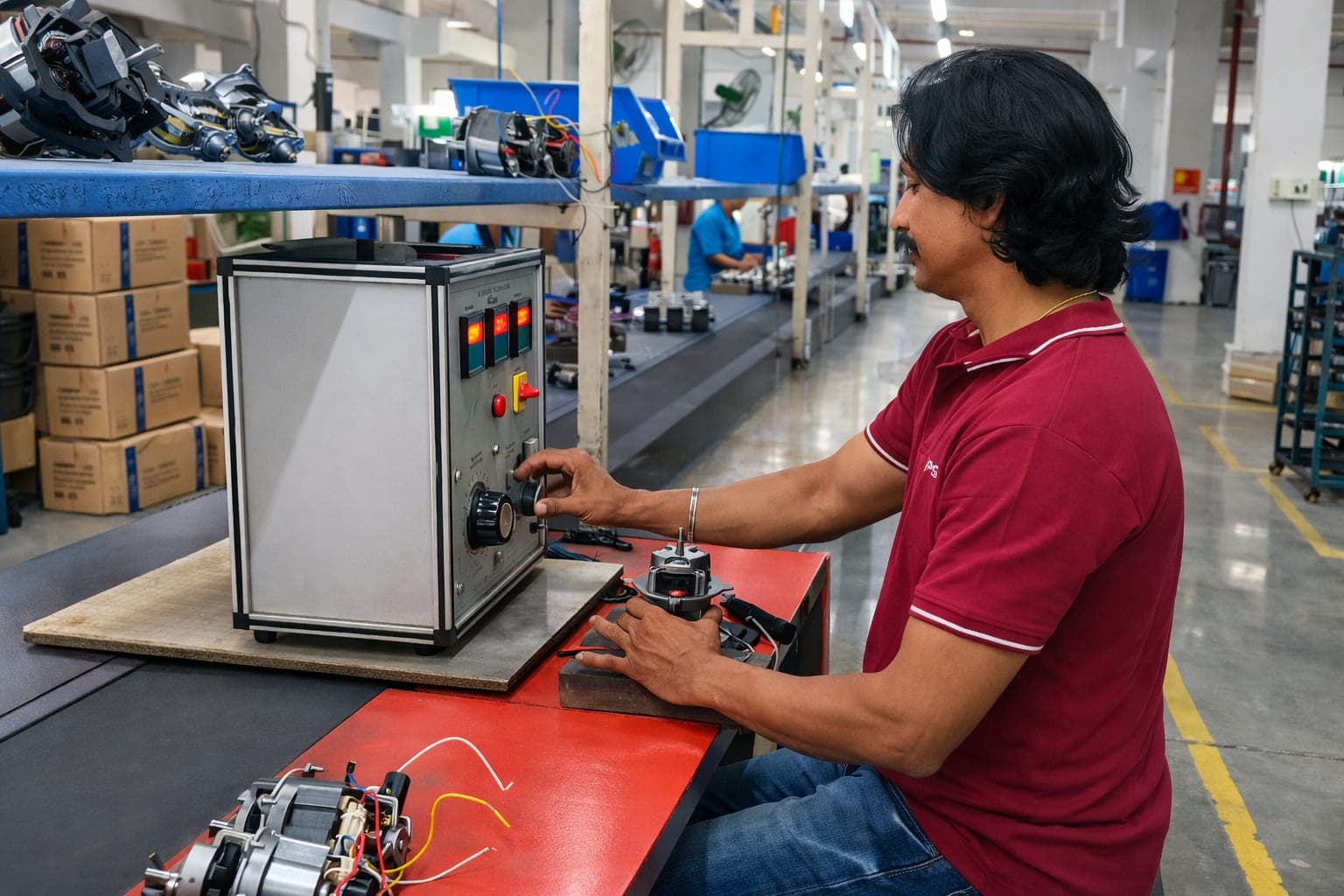
- Inconsistent process control between production batches
- Skipping validation before scaling up volume
Each one looks small at first. Together, they're the reason a product that tested fine in a sample run starts failing once it reaches real customers.
Reason 1: A Badly Designed Mould
Almost every part you see on an appliance, such as the shell, the knobs, the vents and the safety covers, is moulded plastic. If the mould is designed wrong, the part doesn't fail on day one. It fails when volumes rise, when warranty calls start, when the fix means scrapping tooling that's already paid for.
Moulds are expensive and slow to change once cut. A small mistake at the design stage is cheap to fix. The same mistake found after tooling costs far more. Found after the product is already in customer homes, it costs the most of all: in returns, in reputation, and in trust.
Reason 2: Cheap or Wrong-Grade Plastic Material
Cheaper plastics look perfectly fine on day one. Three months later, in an Indian summer, they warp. They vibrate. They discolour. Six months later it's a service problem. A year later it's a brand problem.
Appliances are long-life products. A washing machine is expected to last 8 years, a geyser 10. The plastic parts have to last just as long. Without the right material grade, quality doesn't fail all at once. It erodes slowly, in a way that's hard to trace until it has already hit the warranty line.
Reason 3: No Written Quality Control Checklist
Many smaller factories run on memory and experience, not on paper. An experienced operator might catch a problem by eye. A newer operator on the same line might miss it completely, on the same day, on the same machine.
A real checklist turns tribal knowledge into a repeatable system. It spells out exactly what gets checked, at what stage, by whom, and what happens if a part fails that check. Without it, quality depends on who happens to be on shift that day rather than on the process itself.
Reason 4: Inconsistent Process Control Between Batches
A product can pass every check in batch one and still fail in batch five, if the machine settings, the material mix or the cooling time weren't held constant. Temperature, pressure and cooling time all affect how strong and consistent a moulded part turns out.
Without proper process control, a factory isn't really repeating the same product. It's making a new version of the product every batch, and hoping it turns out close enough.
Reason 5: Skipping Validation Before Scaling Up Volume
A sample that looks perfect in a batch of 50 units can behave very differently in a batch of 50,000. Heat builds up differently at scale. Small amounts of tooling wear show up only after thousands of cycles.
Skipping a proper validation run before committing to full volume is one of the most common, and most expensive, mistakes in appliance manufacturing.
The market is the final quality inspector, and the market is not forgiving. Every one of these five reasons can be caught on paper, weeks before it ever becomes a warranty claim.
How to Avoid Quality Issues in Contract Manufacturing
If you're working with a contract manufacturing partner rather than running your own factory, here's how to avoid the problems brands most commonly run into.
- Ask to see the mould design and material specification before tooling is cut, not after.
- Ask for the factory's written quality control checklist, and check it's actually followed on the floor rather than kept in a file.
- Ask how process settings are recorded and checked between batches, not just at the start of a run.
- Insist on a small validation batch before committing to full volume, even if it adds a few weeks to your timeline.
- Choose a partner who treats quality as a design-stage decision, not an end-of-line inspection.
A Simple Factory Audit Checklist for India-Based Manufacturing
Before you commit real volume to any factory, a short audit should cover these basics. For the full process, from licence checks to the factory walk, see how to vet a manufacturer in India.
| Area | What to check |
|---|---|
| Tooling | Who owns the mould, and is it built for your exact design and volume needs |
| Material | Is the plastic grade specified in writing, and tested for your product's expected lifespan |
| Process | Are machine settings recorded and checked batch to batch, not left to memory |
| People | Are operators trained on a written checklist, or relying only on experience |
| Validation | Is there a small test batch before full volume, with real results you can review |
Tooling ownership is worth pressing on. It's a brand protection question as much as a quality one, which private label vs OEM vs ODM covers in full.
What This Means for Your Brand
You now know the real reasons appliance products fail quality checks, and none of them are a mystery once you know where to look. Topsail builds every mould, every material spec and every process check around this exact checklist, before your product ever reaches full volume, across motor winding, moulding, assembly and testing under one roof. It is the same system behind our OEM mixer grinder manufacturing, where every motor comes off our own AC motor line. You keep the design and the brand. We keep the quality consistent, batch after batch.