
What Is the China Plus One Strategy?
China Plus One is a simple idea. A brand keeps some production in China, but it also builds a second base in another country. That second country is often India.
The goal is not to leave China. The goal is to stop depending on just one place. If one country has a problem, the other can keep your goods moving. That is what supply chain resilience really means: your business can bend without breaking.
More and more importers are asking about this today. They aren't doing it out of fear. They're doing it because it's smart planning.
The Risks of Depending on Only One Country
For many years, China-only sourcing worked well. Factories were fast. Prices were low. But things have changed, and the risks are now harder to ignore.
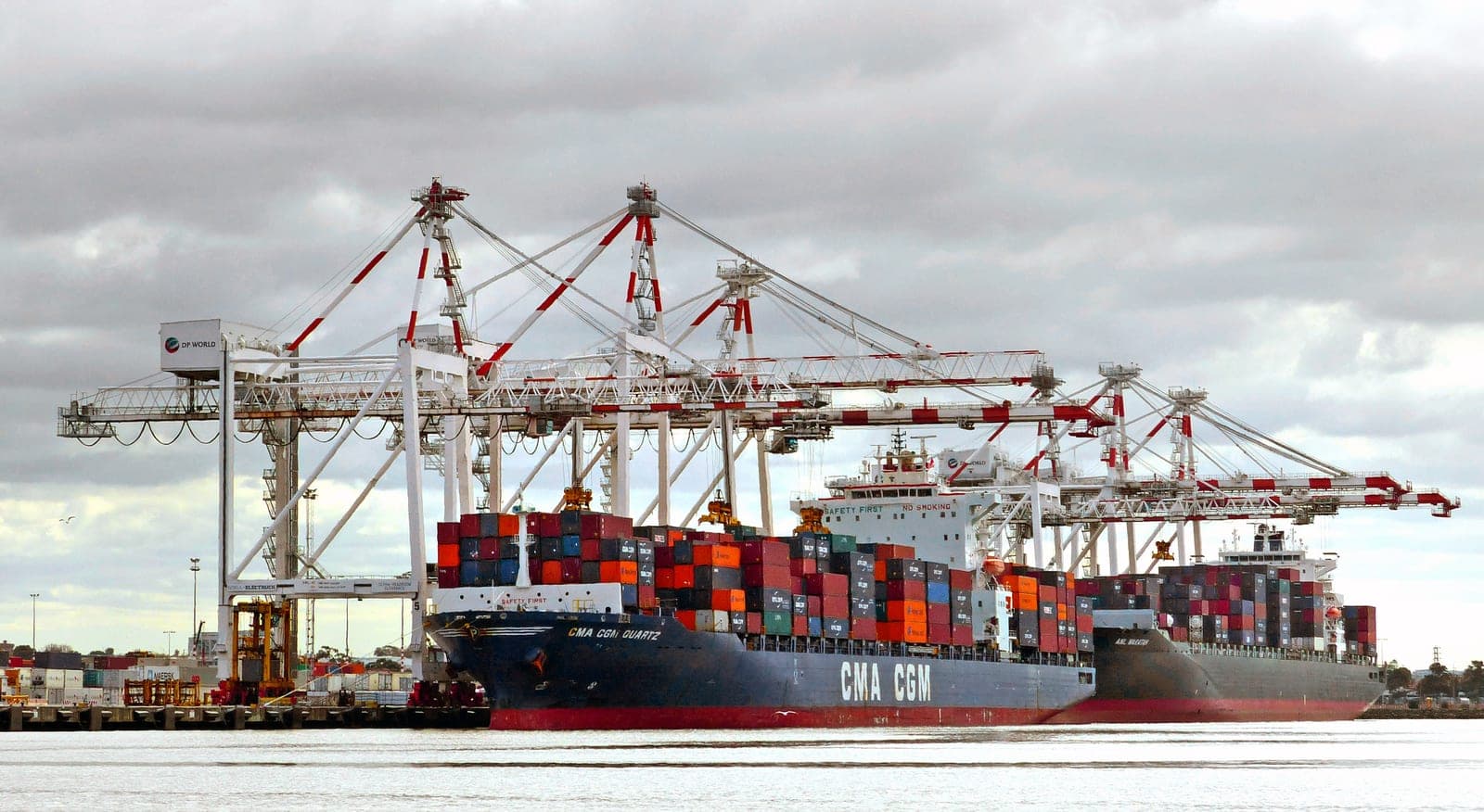
- Shipping delays. Ports get backed up. Containers get stuck. Your goods sit for weeks.
- Tariffs and duties. Import costs on Chinese goods have gone up in many markets. This eats into your profit fast.
- Currency swings. A weak or strong currency can change your costs overnight, with no warning.
- Sudden rule changes. A new customs rule or trade dispute can stop a shipment with very little notice.
- One point of failure. If your only factory has a problem, such as a fire, a shutdown or a labour issue, your whole supply chain stops.
None of these risks mean China is a bad place to manufacture. It means one country should not hold your entire business.
Why Brands Are Shifting Some Manufacturing to India
India is becoming a strong second base for many global brands. Here's why.
- A large and growing home market, worth over $23 billion in appliances alone.
- Government support through schemes like PLI (Production Linked Incentive) and Make in India.
- A young, skilled workforce that is growing every year.
- Lower landed cost once you factor in import duty, surcharge and GST on finished goods.
- Closer proximity for brands who also sell inside India or nearby markets.
India already proved this can work. It is now the world's second-largest mobile phone manufacturer. That didn't happen by accident. It happened because the economics started to make sense. The same shift is now happening in home appliances.
Brands that add India today are not chasing a trend. They are building a safety net that their competitors will wish they had built sooner.
Cost Comparison: Importing from China vs Manufacturing in India
Many importers assume China is always cheaper. That isn't true once you count the full landed cost.
| Cost layer | What it means |
|---|---|
| Basic Customs Duty | Added on top of the product price when goods enter India |
| Social Welfare Surcharge | An extra charge added on top of the customs duty |
| 18–28% IGST | Charged at domestic GST rates on the full import value |
| Net result | Landed cost from China is almost always higher than making the same product in India |
On top of these costs, importing also brings hidden ones that never show up on an invoice: long lead times, port delays, and thousands of kilometres between you and your factory floor. When something goes wrong, and in manufacturing something always does, distance makes every fix slower and harder.
How to Reduce China Dependency Without Taking On Big Risk
Many brand owners think the only way to diversify is to build their own factory in India. That isn't true, and it's often the wrong first step.
Manufacturing as a Service is a simpler path. Here's how the ownership splits:
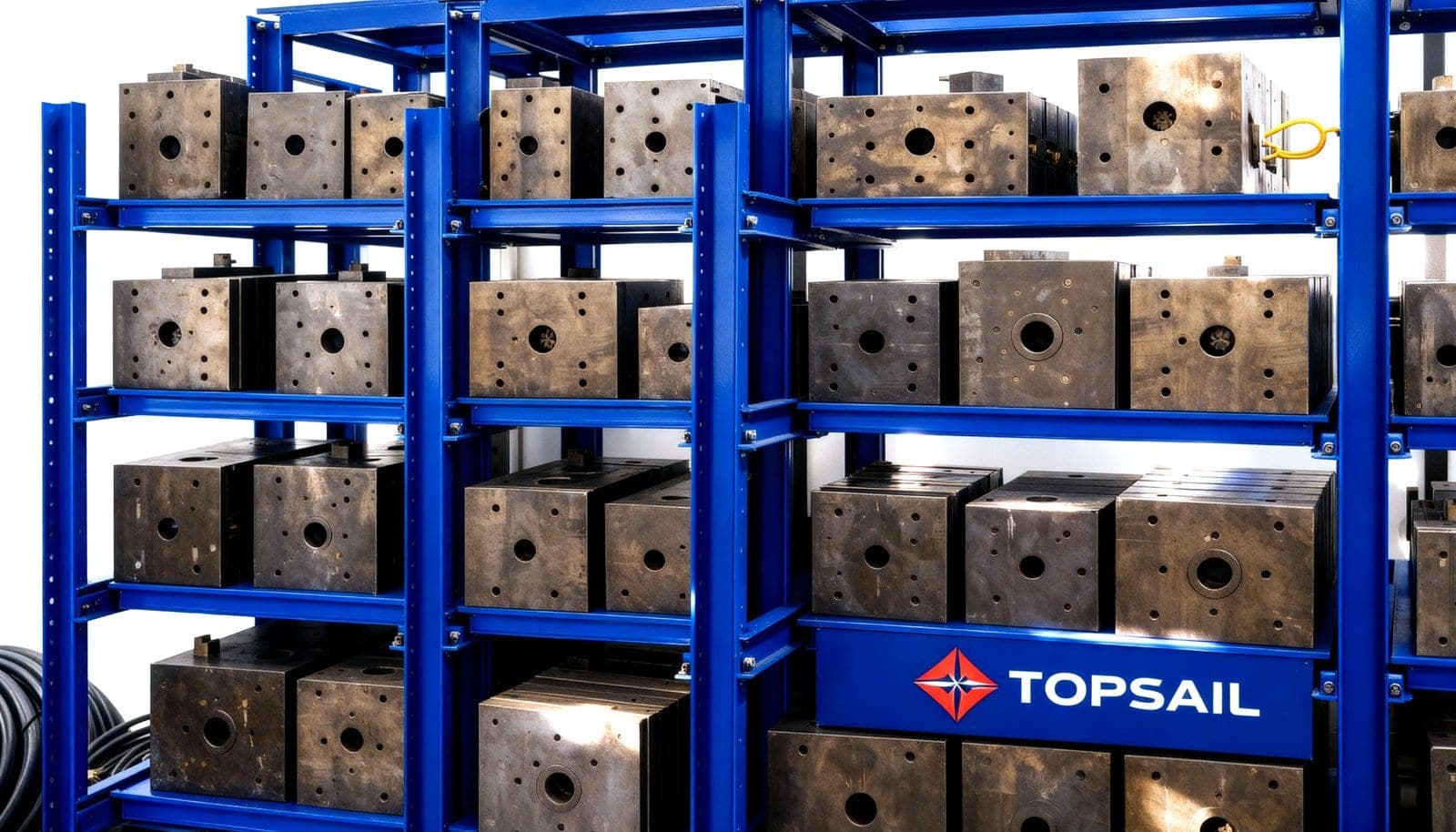
The product design, the brand, and the moulds or tooling. You are never locked in.
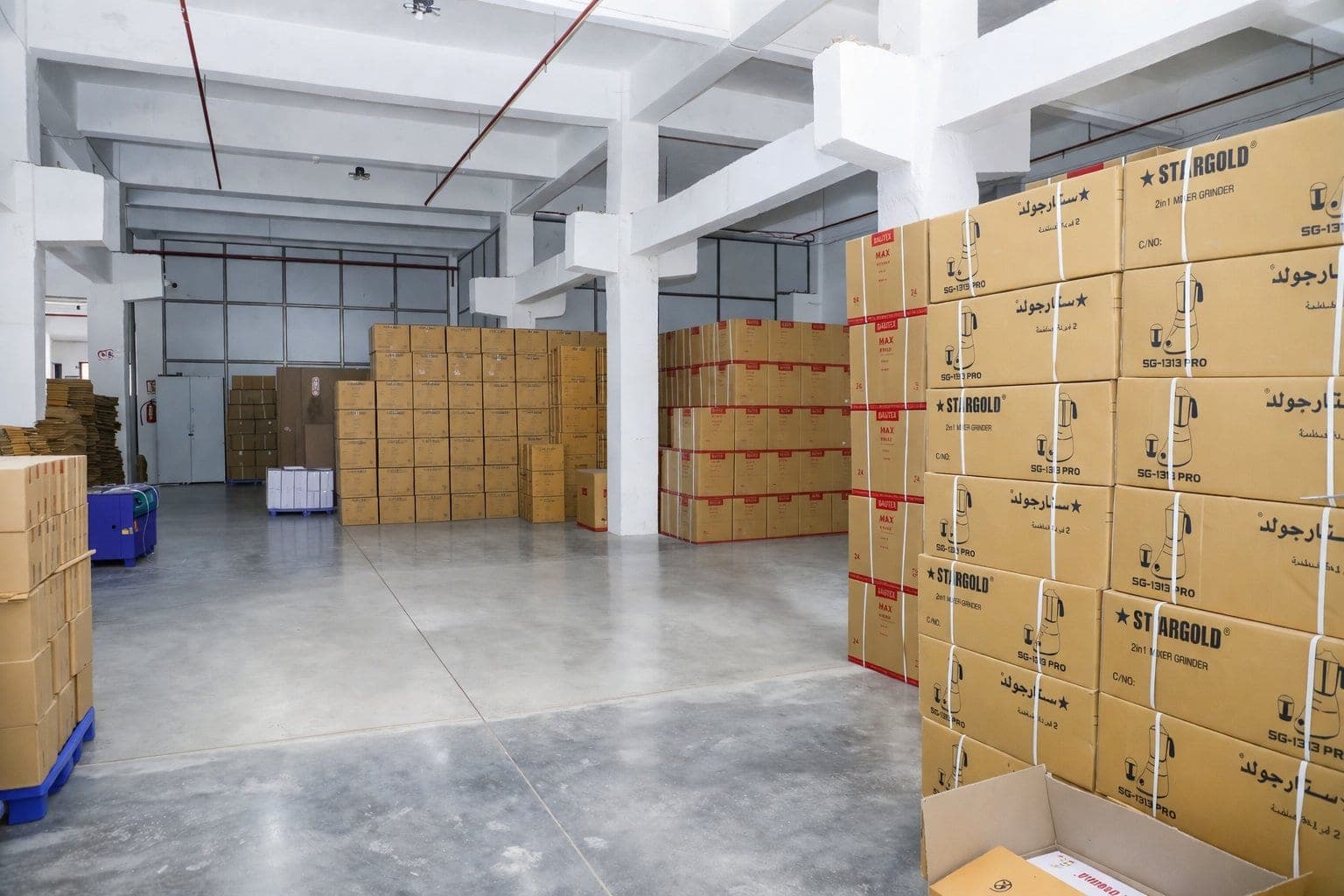
The factory, the machines, the trained workers, and the quality checks.
This means you can start manufacturing in India without spending crores on a new plant. You plug into a factory that already works, and you keep full control of your brand and your design. We go through this in more detail in you don't need a factory to own an appliance brand.
Small Businesses Can Diversify Too
Diversifying away from China is not just for big companies. Small and mid-size importers face the same risks, often with less room to absorb a bad surprise.
A small brand doesn't need a full factory or a huge team to start. With a manufacturing partner, even a smaller importer can test a second country, run a smaller batch, and grow from there. The barrier to entry is much lower than most people think.
Why Now Is the Right Time
Supply chains don't become resilient by accident. They become resilient when a brand makes the choice before a crisis forces the choice for them.
Right now the signs all point the same way: import costs from China keep rising, India's policies are actively encouraging local manufacturing, the domestic market is large and growing, and the manufacturing base is more mature than ever before.
Brands that build a second base in India today will have a real advantage over the next decade. The brands that wait will spend those years reacting to problems instead of preventing them.
What This Means for Your Brand
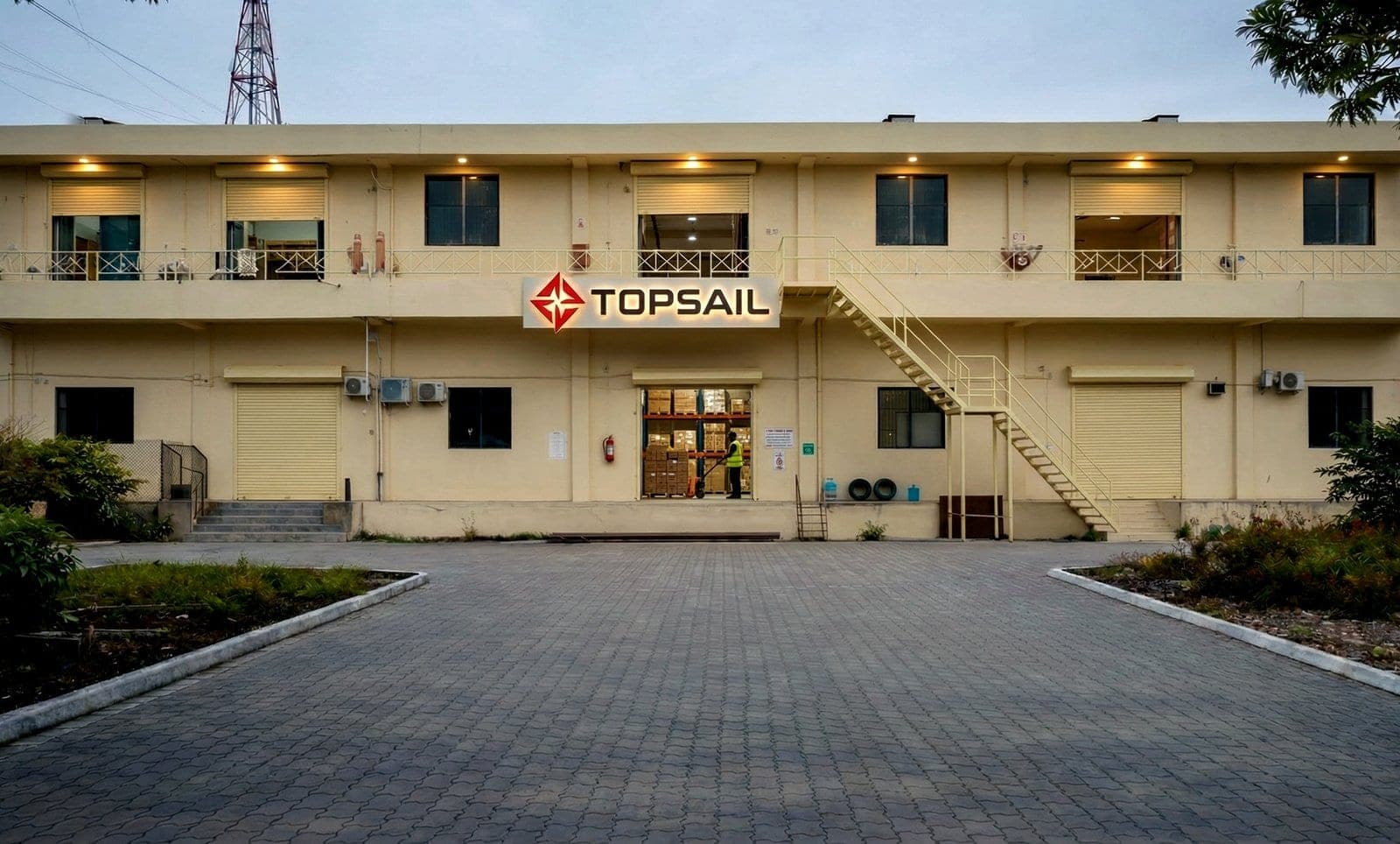
You've seen why supply chain resilience matters, and why a China Plus One strategy with India makes sense right now. Topsail runs the factory, the machines and the quality systems. You keep the brand, the design and the control.