Do You Need a BIS Consultant or a BIS-Licensed Factory?
Most appliance importers need a licensed factory, not a consultant: BIS grants the licence only to the factory that makes the product, and a factory like Topsail that already holds 20+ licences can certify your model in about 90 days. A consultant can help, but only by walking your supplier's factory through the same process.
That is the point most importers miss when they search for BIS certification consultants. You cannot hold a BIS licence for goods someone else makes. The licence is for one product, made at one factory address, in the manufacturer's name. So the real question is not "who will do my BIS paperwork?" It is "which factory will hold the licence for my product?"
Can You Import Appliances Without a BIS Certificate?
No, not if your appliance is covered. The Safety of Household, Commercial and Similar Electrical Appliances (Quality Control) Order, 2026 (S.O. 1739(E)) makes the ISI mark compulsory for manufacture, import and sale. It covers 90 listed categories of appliances, and others within its voltage limits. For foreign factories it has applied since 1 October 2026. Not sure if your product is covered? Our free ISI mark checker gives you an answer in about 30 seconds.
Customs can hold covered appliances that do not carry a valid ISI mark from a licensed factory. There is no workaround and no consultant who can change that. If you want to know exactly which products are covered and what happens to stock already in India, read our guide to the BIS certificate for import.
What Does a BIS Certification Consultant Actually Do?
A good consultant knows the process and saves you time. For an importer whose supplier is in China, the work usually looks like this:
- Check which Indian standard and scheme apply to your product.
- Help your Chinese factory apply under the Foreign Manufacturers Certification Scheme (FMCS) on the BIS portal.
- Arrange the Authorised Indian Representative the scheme needs.
- Send samples of each model to a BIS-recognised lab.
- Prepare the factory for the BIS audit, with officers travelling to China.
Useful work. But notice what stays the same. The licence goes to your supplier, not to you. Every model needs its own testing. And you still wait for an overseas inspection. A consultant makes the route smoother. It does not make it shorter or move the licence into your hands.
Consultant Route vs Licensed Factory: How Do They Compare?
| BIS consultant (your China factory) | BIS-licensed Indian factory (Topsail) | |
|---|---|---|
| Who holds the licence | Your Chinese supplier | Topsail, as the manufacturer |
| Time to licence | Several months, plus overseas audit travel | About 90 days from samples to licence |
| What you pay | Consultant fee, BIS fees, lab tests, audit travel, representative | About Rs 1 lakh per product for BIS, plus the product |
| New models | Each model tested and added one by one | Same-spec models differing in colour or design usually covered |
| Import duty on finished goods | Yes, every shipment | None on finished goods made in India (imported parts for assembly still pay duty) |
| If the supplier changes | Start again with the new factory | Licence stays with Topsail |
| Best for | One big-selling model and a cooperative supplier | Brands ready to make or assemble in India |
In both routes, BIS charges, import costs and duties are on the brand's account.
What Are the Official BIS Fees?
The fees BIS itself charges are small. The cost that hurts is the testing, the audit and the months you cannot sell.
Application fee, non-refundable
Per inspector per day for the factory visit
Annual licence fee, plus a marking fee
Foreign factories pay the same fees as Indian ones, plus the inspectors' ticket, visa, insurance and per-diem, and a Rs 10,000 contingency deposit. Factories outside South Asia pay in US dollars. Lab testing is charged separately, per model. Consultant fees come on top of all of this.
When Is a Consultant the Right Choice?
Be honest about your situation. A consultant makes sense when you sell one or two models in big volumes, your Chinese supplier is willing to be audited, and you want to keep your supply chain exactly as it is. In that case, paying someone who knows the portal and the labs can save you weeks.
A consultant makes less sense when you sell many models, your supplier is reluctant, or you are already thinking about making in India. Then you pay for a slow, model-by-model process that leaves the licence with a factory you do not control.
How Does the Licensed-Factory Route Work at Topsail?
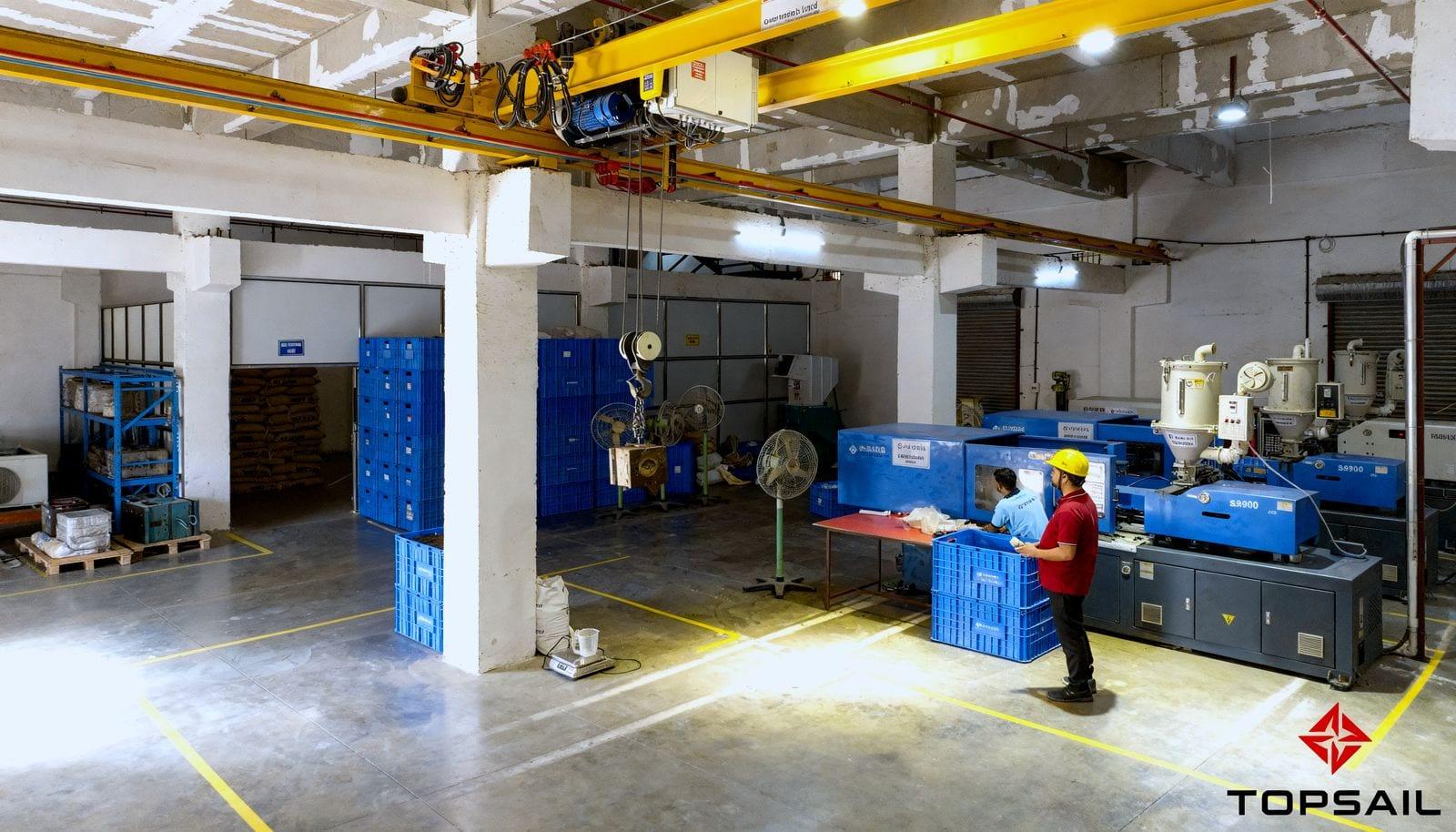
Topsail holds more than 20 BIS licences. They cover mixer grinders, choppers, hand blenders, hand mixers, fans, massagers, personal care appliances, hair trimmers and air purifiers, with more on the way.
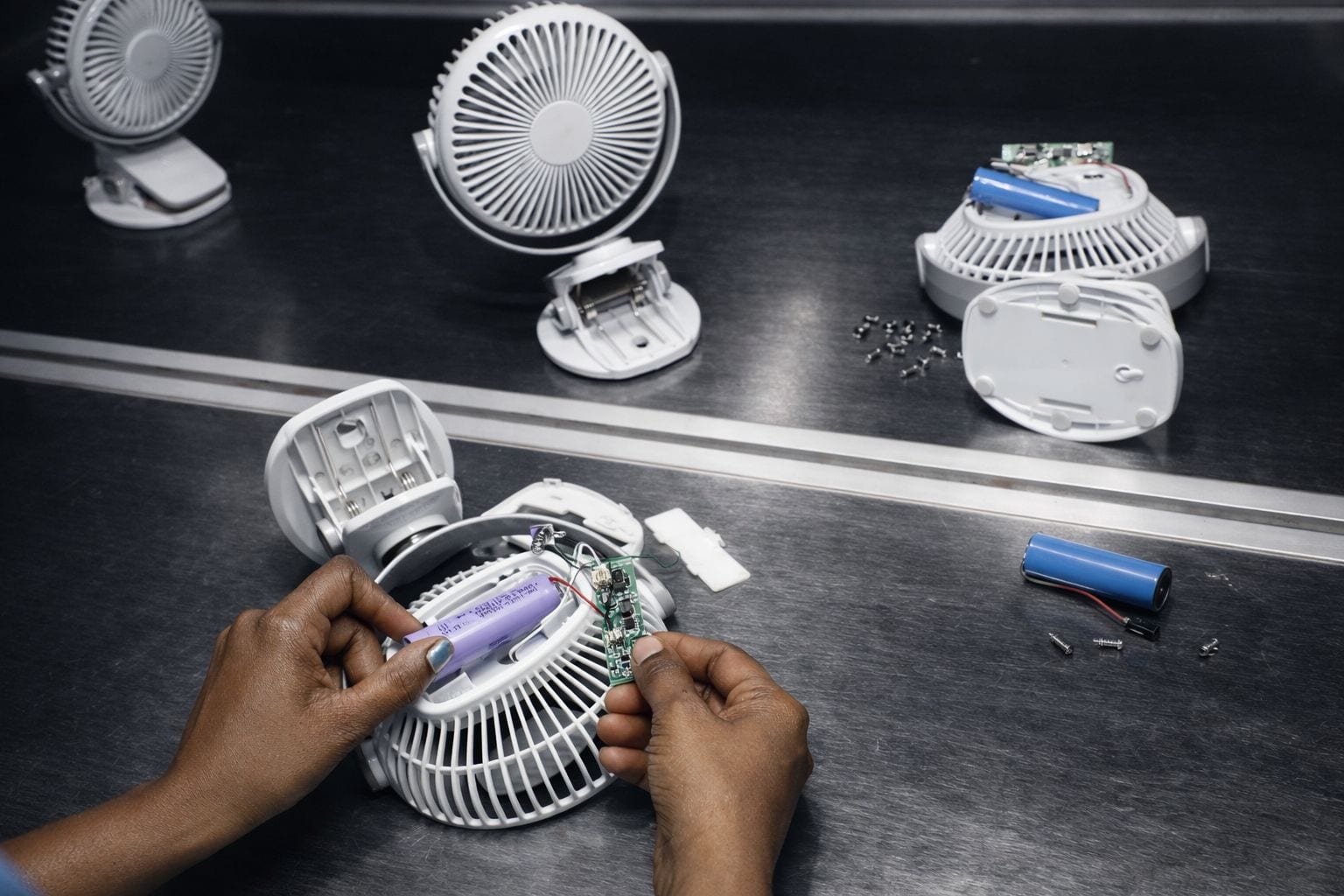
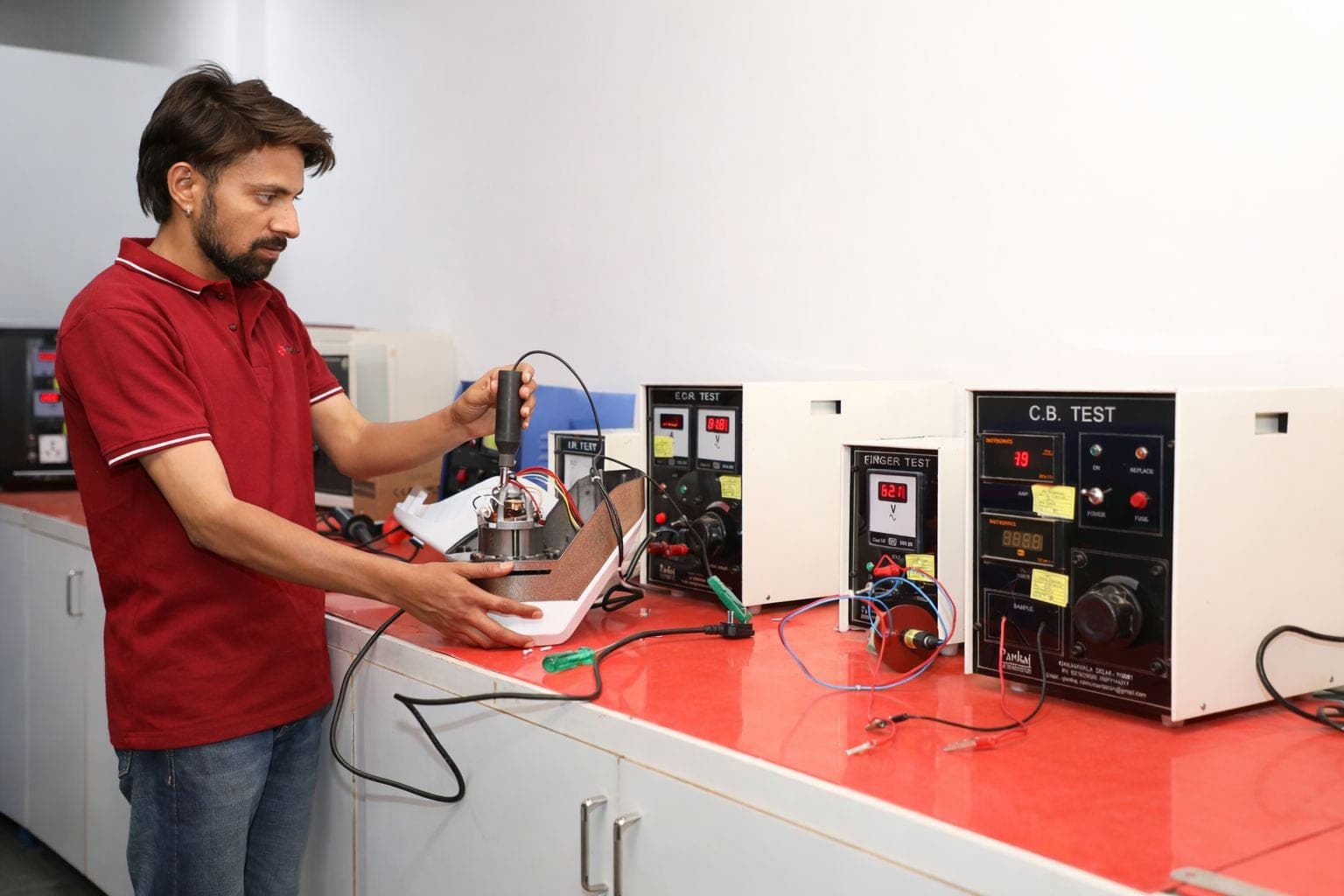
For your model, we need 3 samples. We fit a BIS-approved cord and plug, send it to a BIS-recognised lab and file on the BIS portal. It takes about 90 days from samples to licence and costs about Rs 1 lakh per product. The licence is in Topsail's name as the manufacturer, and you sell under your own brand.
You can start at the level that suits your volume:
- About 1,000 pieces for assembly only, from parts or SKD kits shipped by your existing China factory.
- About 2,000 pieces per order on existing Topsail moulds.
- About 5,000 pieces a month for custom moulds that you pay for and own.
We do everything officially, in white. BIS applies to the full assembled product, not to the parts, and the licence is in Topsail's name as the manufacturer.
That is why assembly works as a first step. When you import parts or kits and bill them to Topsail, the parts themselves do not need BIS. The finished product assembled in Silvassa carries the licence. How to switch from importing to manufacturing in India walks through the move one product at a time.
What This Means for Your Brand
Before you hire a consultant, ask one question: do you want your supplier to hold the licence, or a factory in India? If you have one big model and a cooperative supplier, a consultant is a fair choice. If you have a range of products, or your supplier will not move, a licensed Indian factory gets you selling sooner, with no duty on imported finished goods and no overseas audit. Our founder brings 35 years in China's manufacturing ecosystem, so we know both sides of this decision, and we tell you plainly if your product does not fit one of our licences. Send us your product and monthly volume.