
What Is the Import Duty From China to India on Appliances?
For most finished small appliances, such as mixers, juicers and trimmers, the import duty from China to India is about 22% of the CIF value: 20% Basic Customs Duty plus a 10% Social Welfare Surcharge on that duty. On top of that you pay 18% IGST at the port, calculated on the value plus the duty.
So a shipment worth Rs 100 at the Indian port pays about Rs 22 in customs duty and about Rs 22 in IGST before it leaves the port. A GST-registered importer can usually claim the IGST back as input tax credit, but the cash still leaves your account the day the shipment is cleared.
The exact rate depends on the HS code of your product, so always confirm it with your customs broker (CHA) before you place the order.
How Is Customs Duty Calculated on an Appliance Import?
Customs works on the assessable value, which is the transaction value plus freight and insurance to the Indian port (the CIF value). Each layer is then charged on the one before it.
| Component | Rate | Charged on | Per Rs 100 of CIF value |
|---|---|---|---|
| Basic Customs Duty (BCD) | 20% on most finished small appliances | CIF value | Rs 20.00 |
| Social Welfare Surcharge (SWS) | 10% | The customs duty, not the goods | Rs 2.00 |
| Customs duty total | About 22% | Rs 22.00 | |
| IGST | 18% | CIF value plus BCD plus SWS (Rs 122) | Rs 21.96 |
| Paid at the port | Rs 43.96 |
Some HS lines also carry an Agriculture Infrastructure and Development Cess (AIDC), and public duty trackers do not agree on which appliance lines it applies to. Parts usually attract a lower BCD than finished products, which is one reason assembly in India can change the numbers.
What Else Adds to the Landed Cost?
Duty is only one line. A brand importing from China also pays sea freight, insurance, port and CHA charges, inland transport, and the cost of working capital locked up while goods are in transit.
Across the appliances Topsail works on, duty plus freight usually adds about 25% to the China price. That is before a single defective unit, a delayed vessel or a currency swing is counted.
Why Is BIS Now the Hidden Cost of Importing From China?
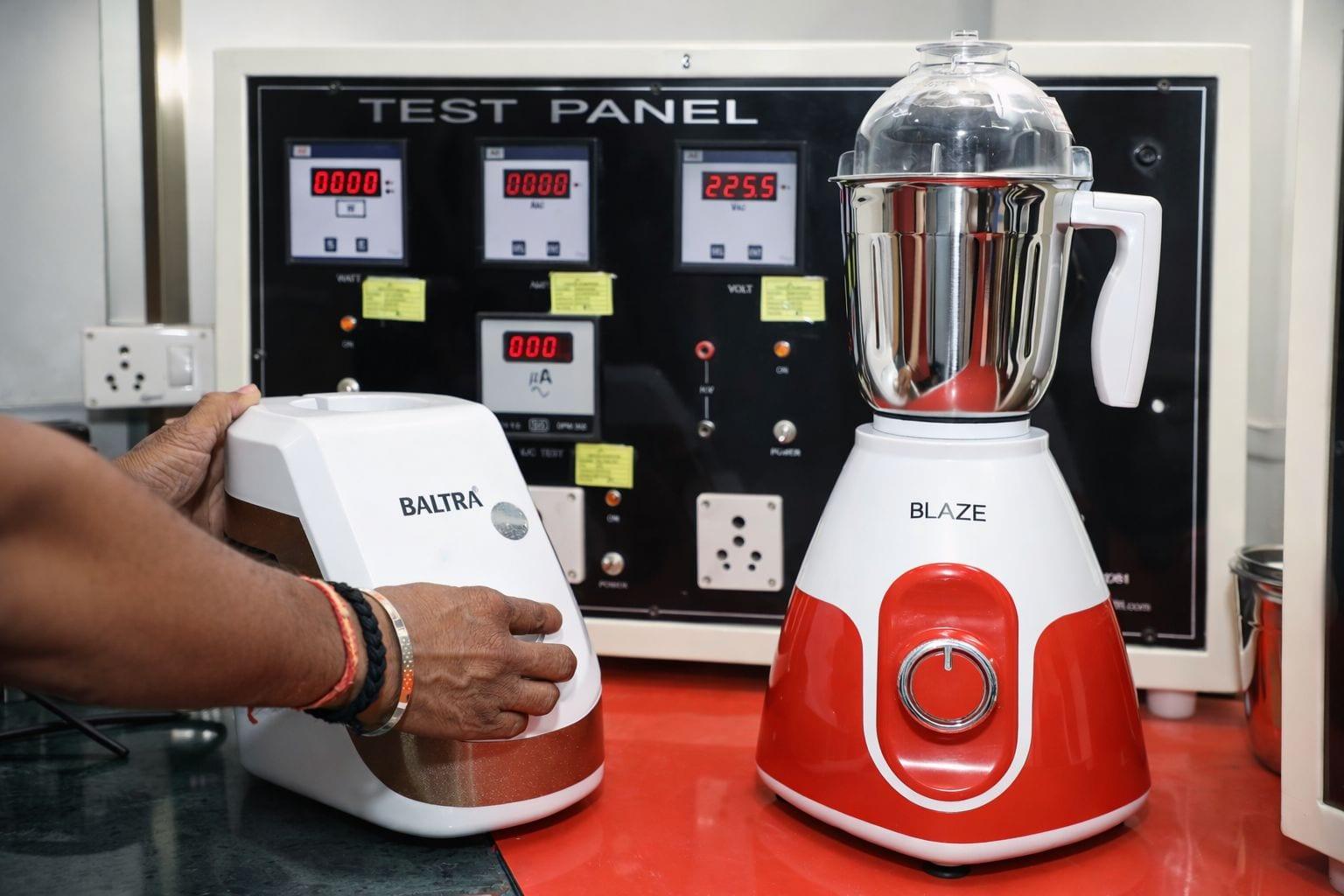
Most small appliances sold in India now fall under BIS Quality Control Orders. A covered appliance cannot be imported or sold in India without a BIS licence, whatever duty you pay. Customs will hold the shipment.
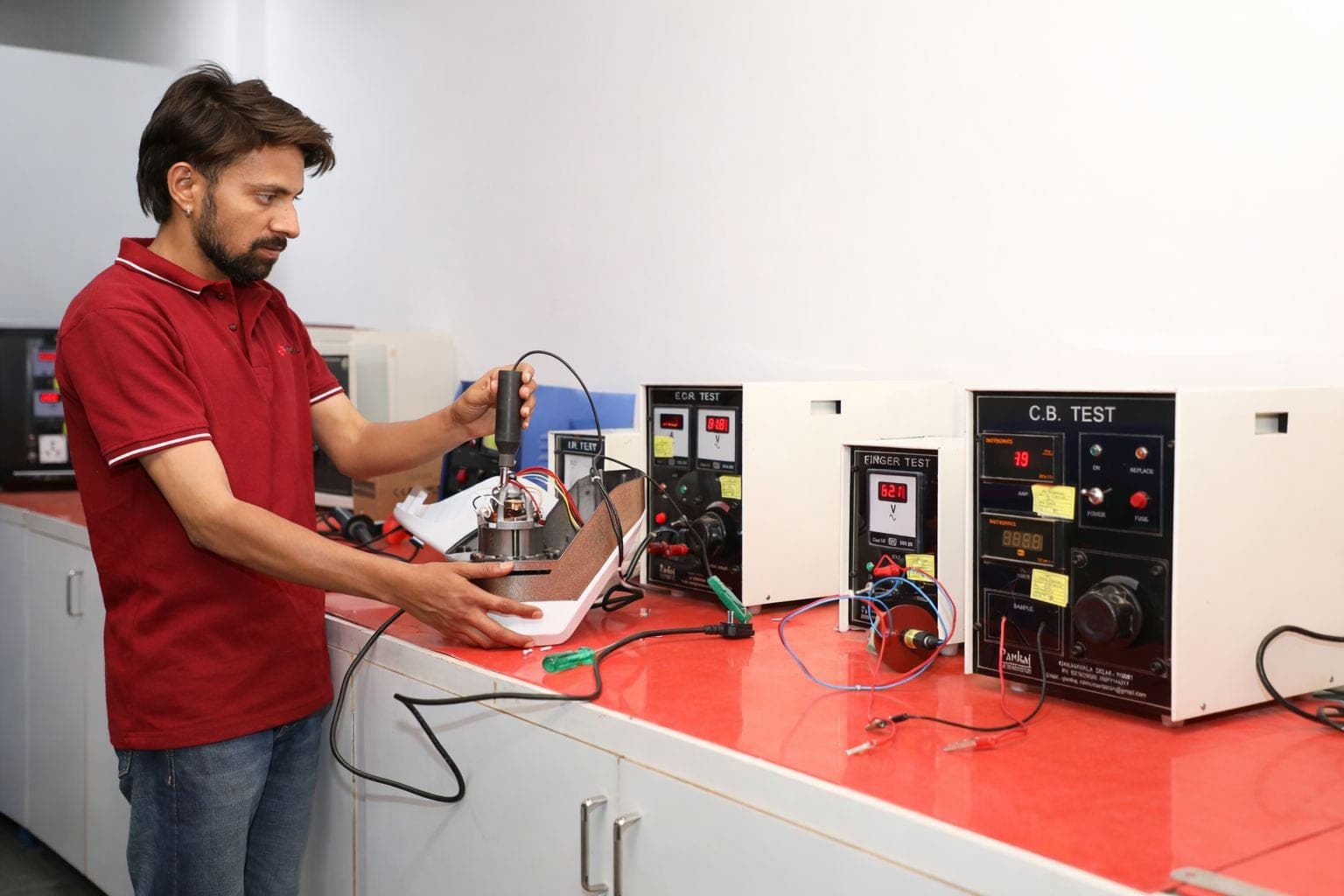
For an importer, that means getting your Chinese factory licensed by BIS, model by model, through a slow foreign manufacturer process. Our guide to the BIS certificate for import walks through the three options. At Topsail, the licence is in Topsail's name as the manufacturer, takes about 90 days from samples and costs about Rs 1 lakh per product. Topsail already holds 20+ BIS licences covering mixer grinders, choppers, hand blenders, hand mixers, fans, massagers, personal care, hair trimmers and air purifiers.
When Does Making in India Cost Less Than Importing?
Making in India usually equals or beats the China landed cost when three things are true:
- Duty plus freight is a real cost to you, usually about 25% on top of the China price for appliances.
- You pay full legitimate duty today. Topsail does everything officially, so the comparison is honest only if your imports are too.
- At least 60% of the value is added in India, through moulding, motors and assembly.
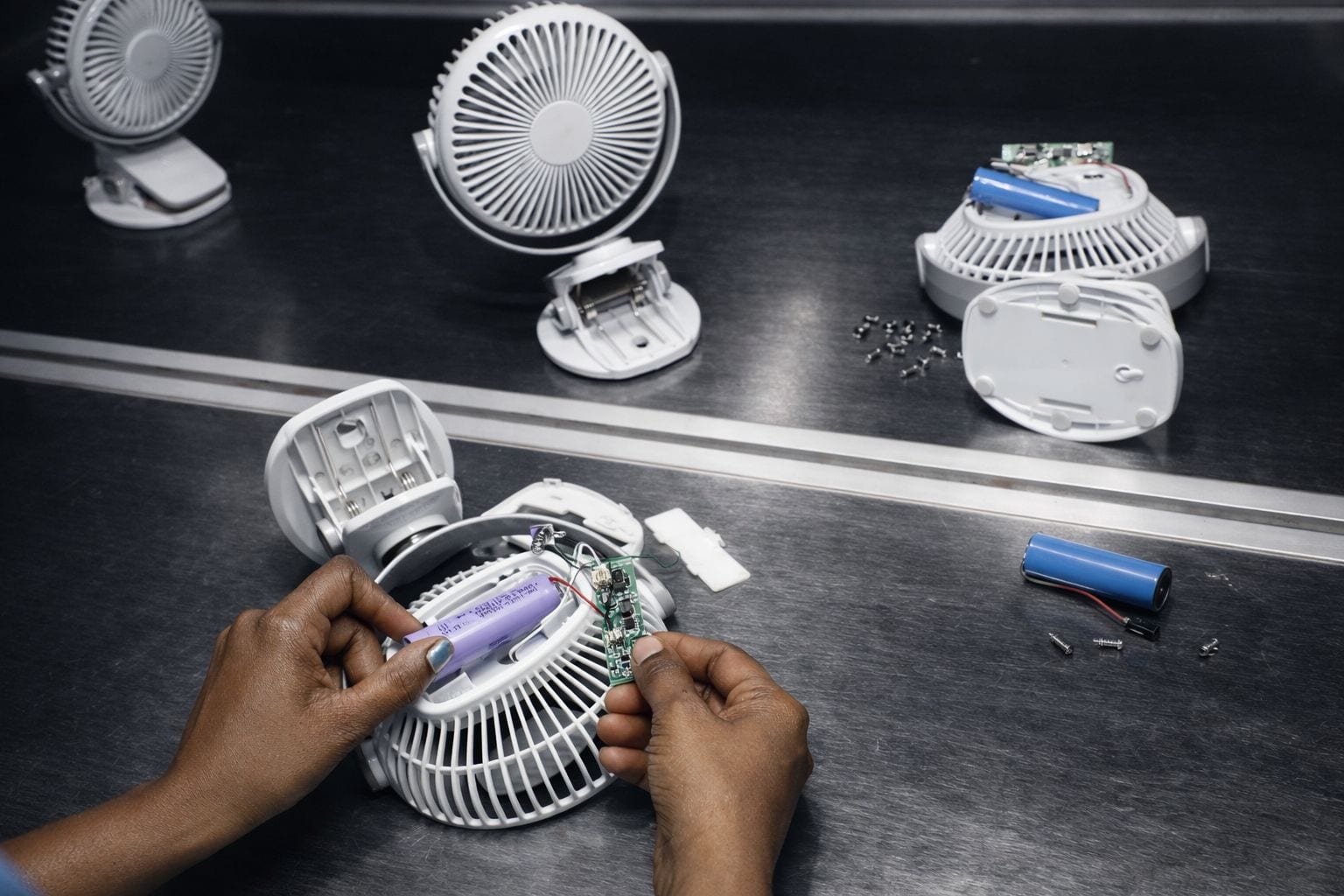
Our clip fans, hand mixers and choppers are now made in Bharat at the same as or lower than the China landed price.
The products that fit best are plastic-heavy, with or without a motor, not too large, sold in big volumes in a proven market, and simple to assemble. There are non-cost wins too: a shorter supply chain, easier planning, real BIS compliance and a Made in India label.
How Do You Move Production From China to India?
You do not have to switch in one go. Most brands move in three steps:
| Step | What happens | Topsail MOQ |
|---|---|---|
| 1. Assemble in India (SKD) | Your China factory ships parts or kits; Topsail assembles, tests and dispatches under its BIS licence | About 1,000 pcs |
| 2. Launch on existing moulds | Your brand on a Topsail platform, with no new mould cost | About 2,000 pcs per order |
| 3. Full Indianisation | Your own moulds, with moulding, motors and assembly in Silvassa | About 5,000 pcs a month |
In the assembly route, BIS applies to the finished product assembled at Topsail, not to the imported parts. Topsail can connect you with forwarders and a CHA, and you can bill the import to Topsail. Read more on MOQs for existing and custom moulds.
Who Owns the Moulds When You Move?
In an OEM arrangement, the brand pays for the tooling and owns the moulds and the design. Mould payments are 50% upfront and the balance on completion. Production orders run on a 30% deposit with the order and the balance before dispatch, with an open bill of materials showing every cost. Before moving any tooling, read who owns the mould.
What This Means for Your Brand
Work out your real landed cost first: China price, about 22% customs duty, 18% IGST (and its effect on cash flow), freight, CHA charges and the cost of a BIS licence for every model. If that total sits about 25% above the China price, and your product is plastic-heavy and sells in volume, an Indian factory is worth a quote.
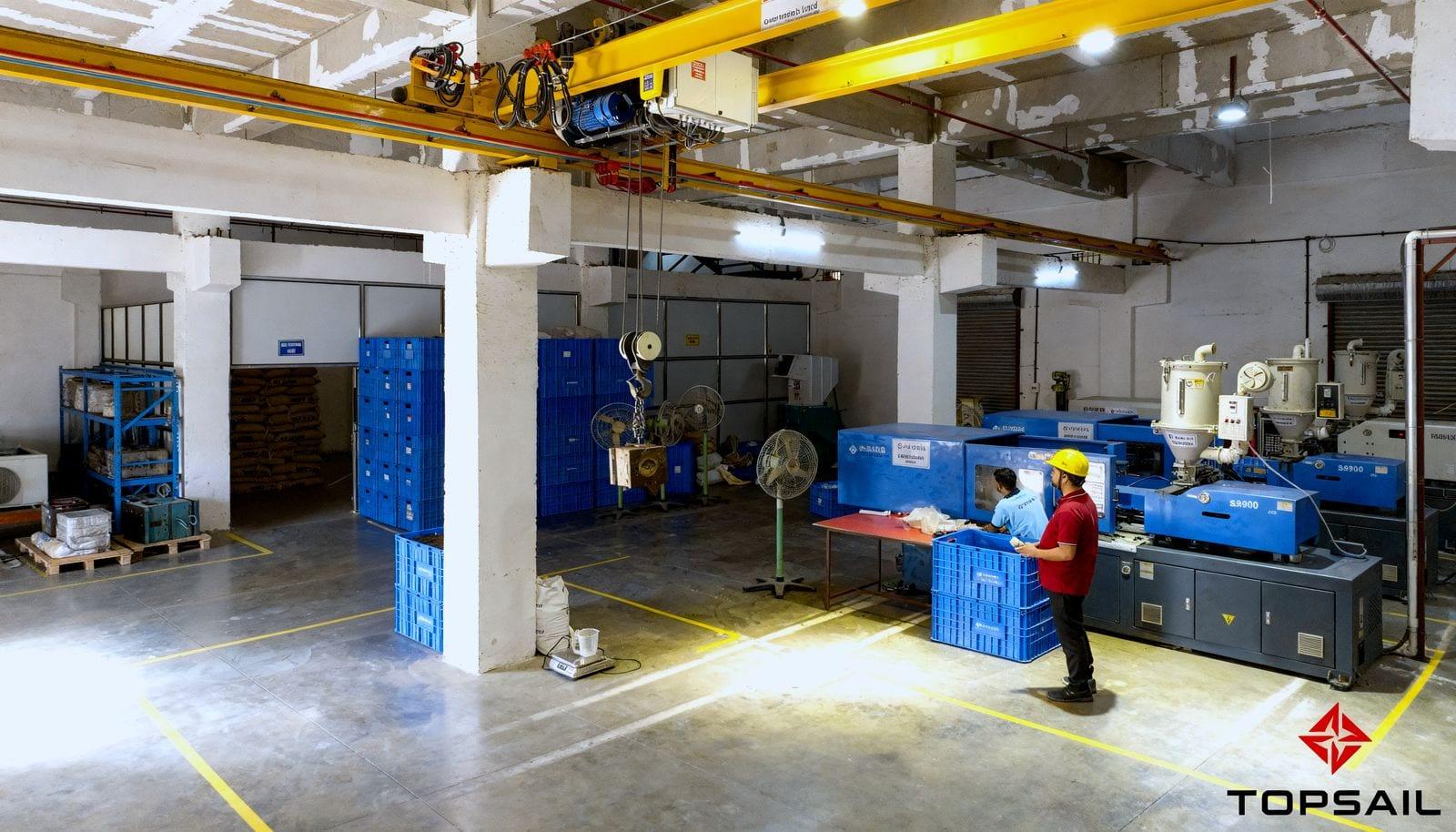
Topsail runs moulding, motors, assembly and testing under one roof in Silvassa, near Nhava Sheva and Hazira ports, led by a founder with 35 years in China's manufacturing ecosystem. Send us your current China sample and monthly volume through our contact page, and we will cost it in India.