
Is BIS Certification Mandatory for Imported Appliances?
Yes. If you import household, commercial or similar electrical appliances to sell in India, the product now needs a BIS licence and the ISI mark before it can be sold, and for most importers that rule has applied since 1 October 2026.
The rule comes from the Safety of Household, Commercial and Similar Electrical Appliances (Quality Control) Order, 2026, notified as S.O. 1739(E) on 6 April 2026. It makes the ISI mark under IS 302 (Part 1):2024 compulsory for appliances up to 250 V single-phase and 480 V for others, including battery-powered and DC appliances. It covers manufacture, import and sale. So the rule applies at your warehouse and on your marketplace listing, not only at the port.
That's why a BIS certificate for import matters even if you never touch a factory. If the appliance is in a covered category, someone has to hold a licence for it, and that someone is the factory.
Appliances come under the ISI mark. Many electronic products, such as adapters and power banks, follow a different BIS route called CRS (registration). If you're not sure which one your product needs, our guide to BIS certification for appliances explains ISI vs CRS in full.
Which Appliances Need an ISI Mark Under the 2026 QCO?
The order lists 90 categories of electrical appliances, and the list is a guide, not a limit: an appliance inside the voltage limits can be covered even if it isn't named. Typical examples:
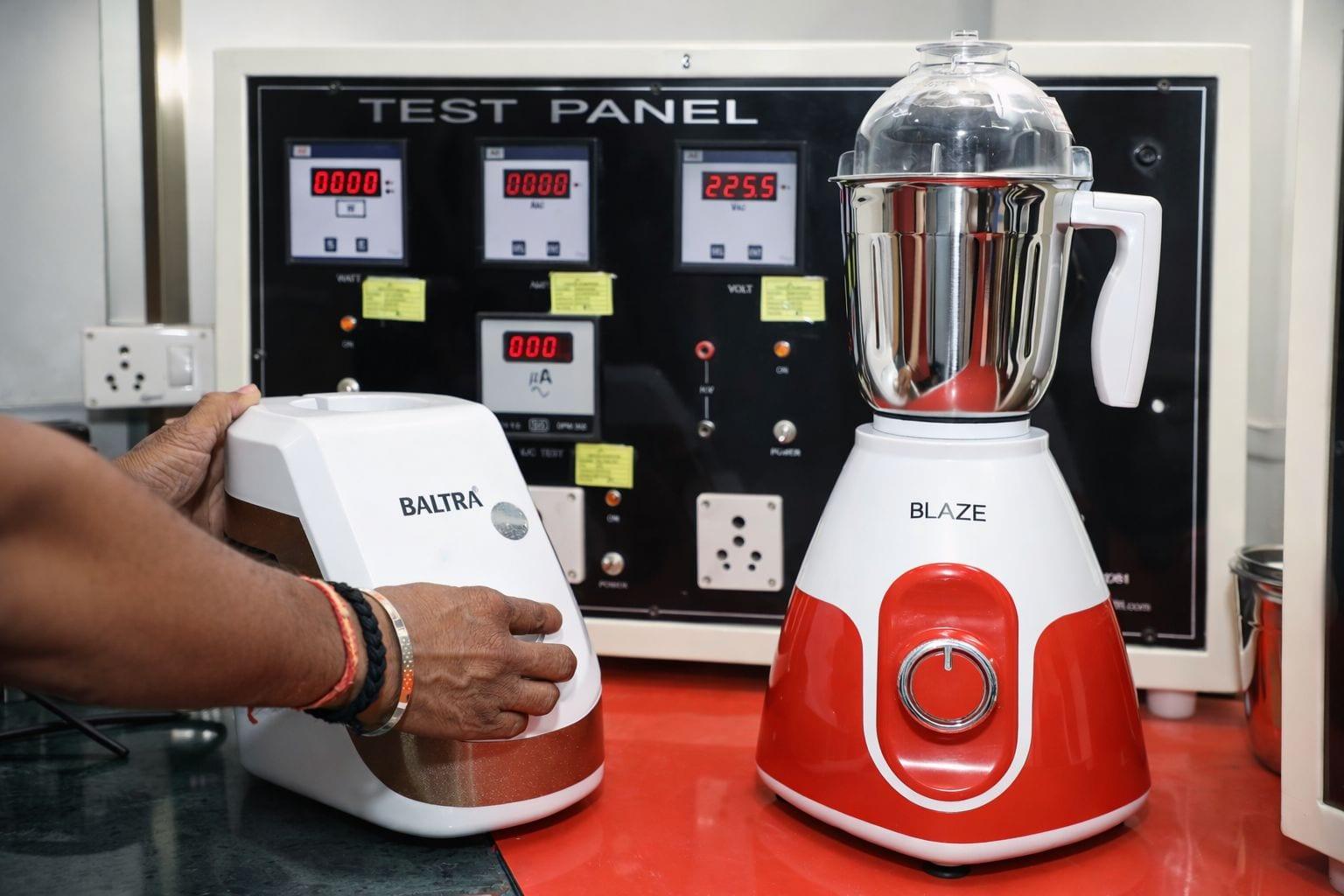
- Kitchen appliances: mixer grinders, choppers, hand blenders, kettles, fryers, ovens, steam cookers
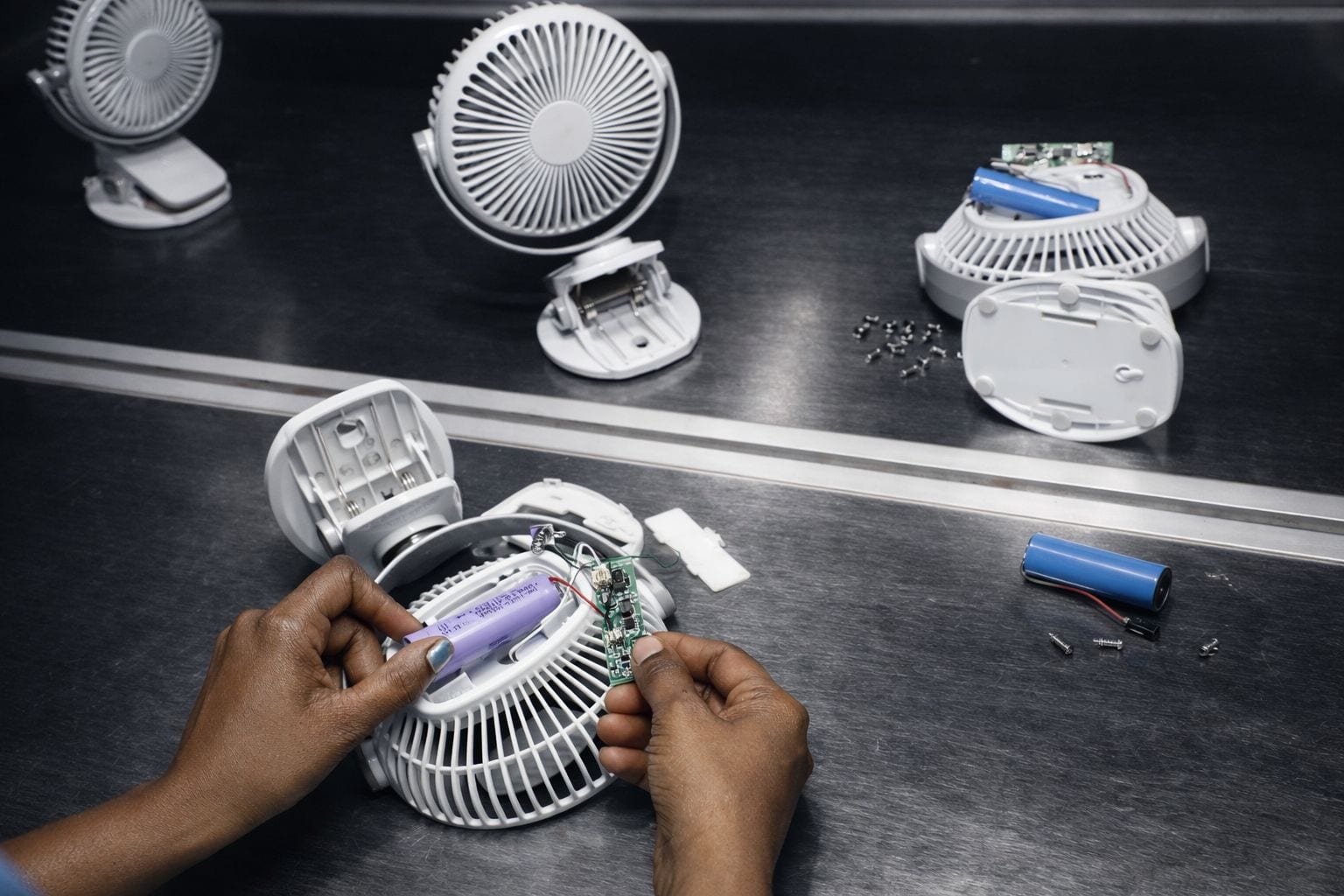
- Fans and air: table fans, rechargeable fans, air-cleaning appliances
- Heating: room heaters, heating pads, warming plates
- Personal care: hair dryers, shavers, trimmers and clippers, massagers
- Cleaning: vacuum cleaners, dishwashers
BIS publishes the full list of products under compulsory certification on bis.gov.in. Check your exact product there before you plan your next order, or get a quick answer from our free ISI mark checker.
When Does the QCO Apply to Your Business?
The order came into force in three steps:
Large and medium firms, and every foreign factory
Indian small enterprises only
Indian micro enterprises only
If you import, plan on 1 October 2026. The two later dates are relaxations for small and micro enterprises as defined under India's MSMED Act, so they cover Indian manufacturers only. A factory in China supplying India needed its licence by 1 October 2026, and the date attaches to the manufacturer, not to you as the seller. If your supplier is abroad, that deadline has already passed.
What about stock already in your warehouse? The order gives a six-month window to sell or display appliances made or imported before the date applied, but only on two conditions: the manufacturer is already BIS-certified or has applied for a licence, and a declaration for that stock has been filed with BIS. For a foreign factory, that window runs to about 31 March 2027.
Stock from a Chinese supplier that never applied for a licence gets no grace period at all. It cannot legally be sold, however long it has been in your warehouse.
How Do You Get a BIS Certificate for an Imported Appliance?
The most important point first: the licence goes to the manufacturer, for one product made at one factory address. It never goes to the importer. You can't apply for a BIS certificate in your own name for goods someone else makes.
For an appliance made in China, the factory itself has to apply under the Foreign Manufacturers Certification Scheme, and appoint an Authorised Indian Representative. The steps for ISI mark registration are the same for every factory:
- Apply on BIS's online portal, manakonline.in, with the product details and the factory's records.
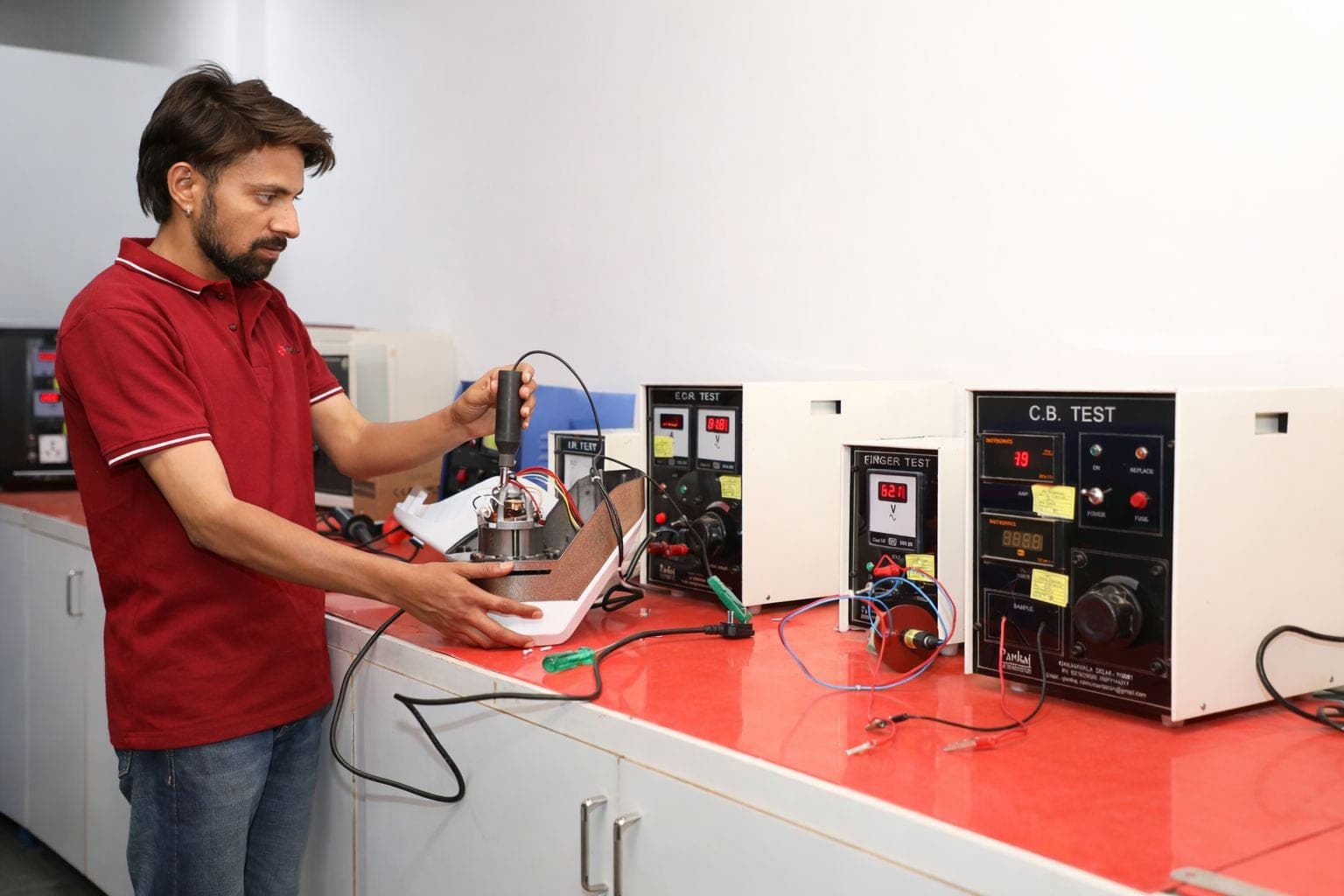
- Test a sample of each model at a BIS-recognised lab against IS 302.
- Inspect. BIS officers audit the factory. For a factory abroad, they travel to it.
- Grant. BIS issues the licence and the factory can mark the product.
How long this takes varies. BIS's own guidance puts the average at roughly one to four months from a complete application, depending on the route, and longer if there are queries, failed tests or inspections to arrange. An overseas factory usually takes longer again, because BIS officers have to travel for the audit.
The full ISI process, step by step, is in our BIS certification guide.
How Much Does BIS Certification Cost?
The official BIS fees are small. The real cost is testing every model, the factory audit, and the months you can't sell while you wait.
| Cost | What it covers |
|---|---|
| Application fee | Rs 1,000, non-refundable, paid when you apply |
| Inspection fee | Rs 7,000 per inspector per day, paid before the factory visit |
| Annual licence fee | Rs 1,000 a year, once the licence is granted |
| Marking fee | Set separately for each product. BIS publishes the rates |
| Lab testing | Testing each model at a BIS-recognised lab. Varies by product |
| Overseas factory | The same fees, plus the inspectors' travel, visa and per-diem costs, a Rs 10,000 contingency deposit, and an Authorised Indian Representative. Factories outside South Asia pay in US dollars |
| Net result | The fees are small. Testing, audits and waiting are the real cost, and they repeat for every model |
What Happens If Customs Holds Your Shipment?
If an appliance is in a covered category and doesn't carry a valid ISI mark from a licensed factory, customs can hold it. There is no way to import a covered appliance without a BIS certificate, and selling non-compliant goods can bring penalties under the BIS Act.
What fixes it for good isn't the next shipment. It's where the product is made.
What Are Your Options If Your Supplier Has No BIS Licence?
There are three ways to keep selling. Each one suits a different importer.
| License your Chinese factory | Hire a consultant | Make it at a licensed Indian factory | |
|---|---|---|---|
| Who holds the licence | Your Chinese factory | Your Chinese factory | The Indian factory |
| Typical time | Several months, plus overseas audit travel | The same, with less of your time | About 90 days |
| What you pay for | Fees, testing, audit travel, a representative | All of that, plus the consultant | The product, plus about Rs 1 lakh per product for BIS, with the licence held in the factory's name |
| Done per model? | Yes | Yes | Covered products are already licensed |
| Best for | One big-selling model and a cooperative factory | Importers with budget but no time | Brands ready to make in India |
License your Chinese factory. If you sell one model in big volumes and your supplier is willing, this keeps your supply chain as it is. But the factory has to do the work, every model needs its own testing, and you wait while BIS officers arrange the trip.
Hire a consultant. A good consultant takes the paperwork off your hands and knows the process. It's still the same process, though: the same tests, the same audit, the same wait, for every model, plus the consultant's fee. BIS consultant or BIS-licensed factory compares the two routes side by side.
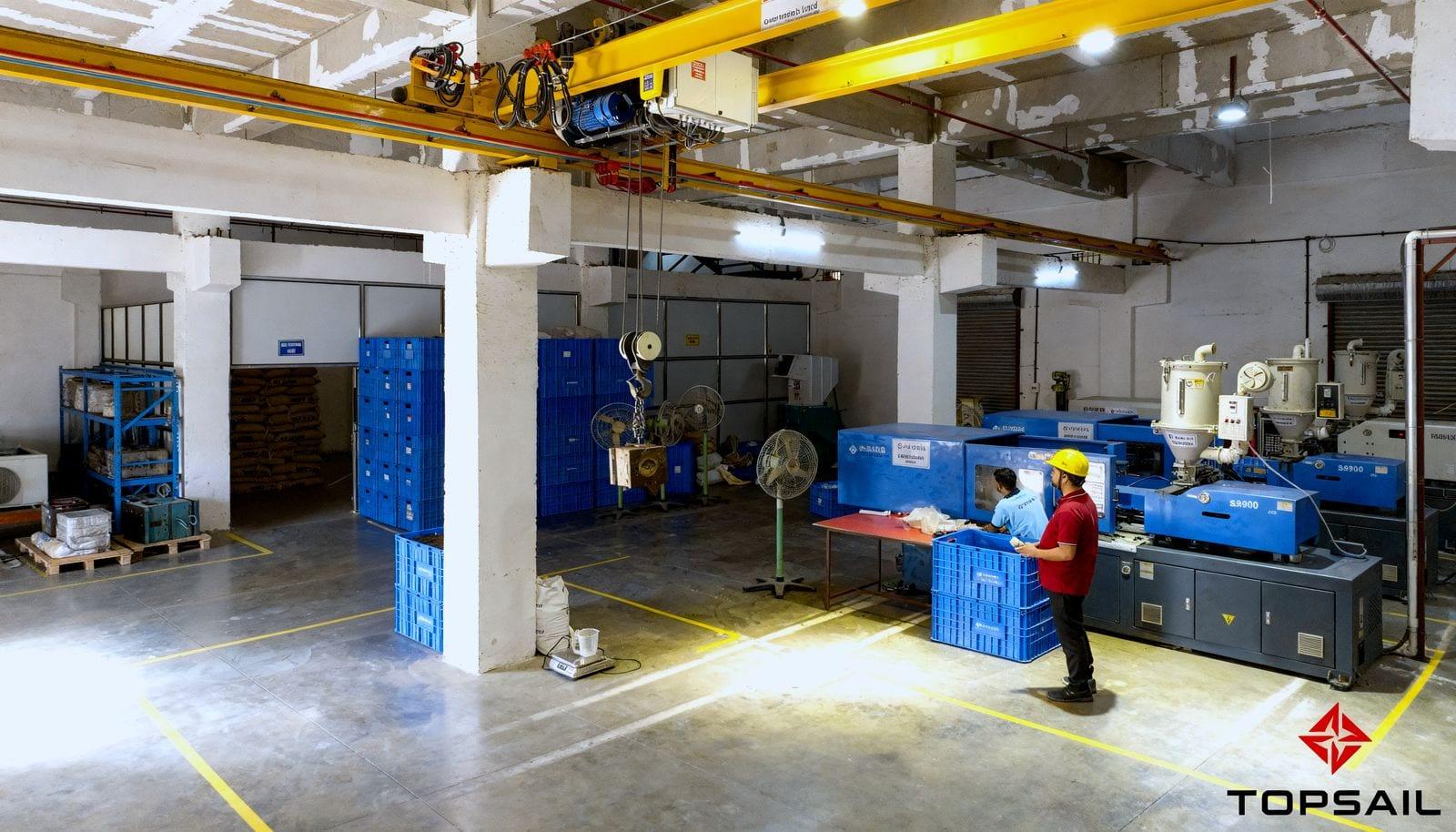
Make it at a licensed Indian factory. This is what we do at Topsail. We hold more than 20 BIS licences, and certifying your model takes about 90 days from samples to licence, at about Rs 1 lakh per product. Our licences cover mixer grinders, choppers, hand blenders, hand mixers, fans, massagers, personal care appliances, hair trimmers and air purifiers, with more on the way. There's no foreign audit to wait for, and no import duty on a finished appliance either.
If you import parts or kits and we assemble them in Silvassa, the parts themselves don't need BIS. The licence applies to the finished, assembled product, and it is held in Topsail's name as the manufacturer.
Your brand, your product and your customers.
The factory, the BIS licence, the lab tests and the audits.
A BIS licence is not a sticker you buy. It says one factory, at one address, can make the same safe product every single day. Choose the factory first, and the certificate follows.
If your supplier has no licence and you want to keep selling, tell us what you import and we'll tell you whether it fits one of our licences.
How Can You Check a Manufacturer Really Holds a BIS Licence?
Don't take a factory's word for it. Search the licence on BIS's portal, manakonline.in, and check two things: that the licence covers your exact product, and that the factory address on it matches the factory making your goods. A licence for a different product, or a different address, doesn't cover you.
If you're weighing the move, our BIS certification guide explains ISI vs CRS, how to switch from importing to manufacturing in India walks through the move one product at a time, the PLI and import duty post covers landed cost, and our capabilities show what's running in Silvassa.
What This Means for Your Brand
The rule won't wait for your supplier. If your appliance is in a covered category and your factory is abroad, the deadline has already passed, and unlicensed stock gets no grace period. Your options come down to how much time you have and how many models you sell. Topsail holds the licences, runs the factory and handles the audits. You keep the brand and the customers.