
Can You Switch From Importing to Manufacturing Without a Factory?
Yes. Most brands that import appliances from China do not need to build a plant to start making them in India. You need a manufacturing partner that already runs the moulding, the motors, the assembly and the testing, and can certify your product.
The switch is not one big jump. It is a sequence: pick the right products, hand over what you know, decide what to change, tool up, certify, run a pilot, and overlap your stock so the shelves never go empty. Done in that order, most of the risk disappears.
Why Is This Question Urgent Now?
On 1 October 2026 the Safety of Household, Commercial and Similar Electrical Appliances (Quality Control) Order, 2026 came into force for larger manufacturers. It covers more than 90 categories of electrical appliances, including battery and DC powered ones, and requires them to meet IS 302 (Part 1): 2024, which is based on IEC 60335-1.
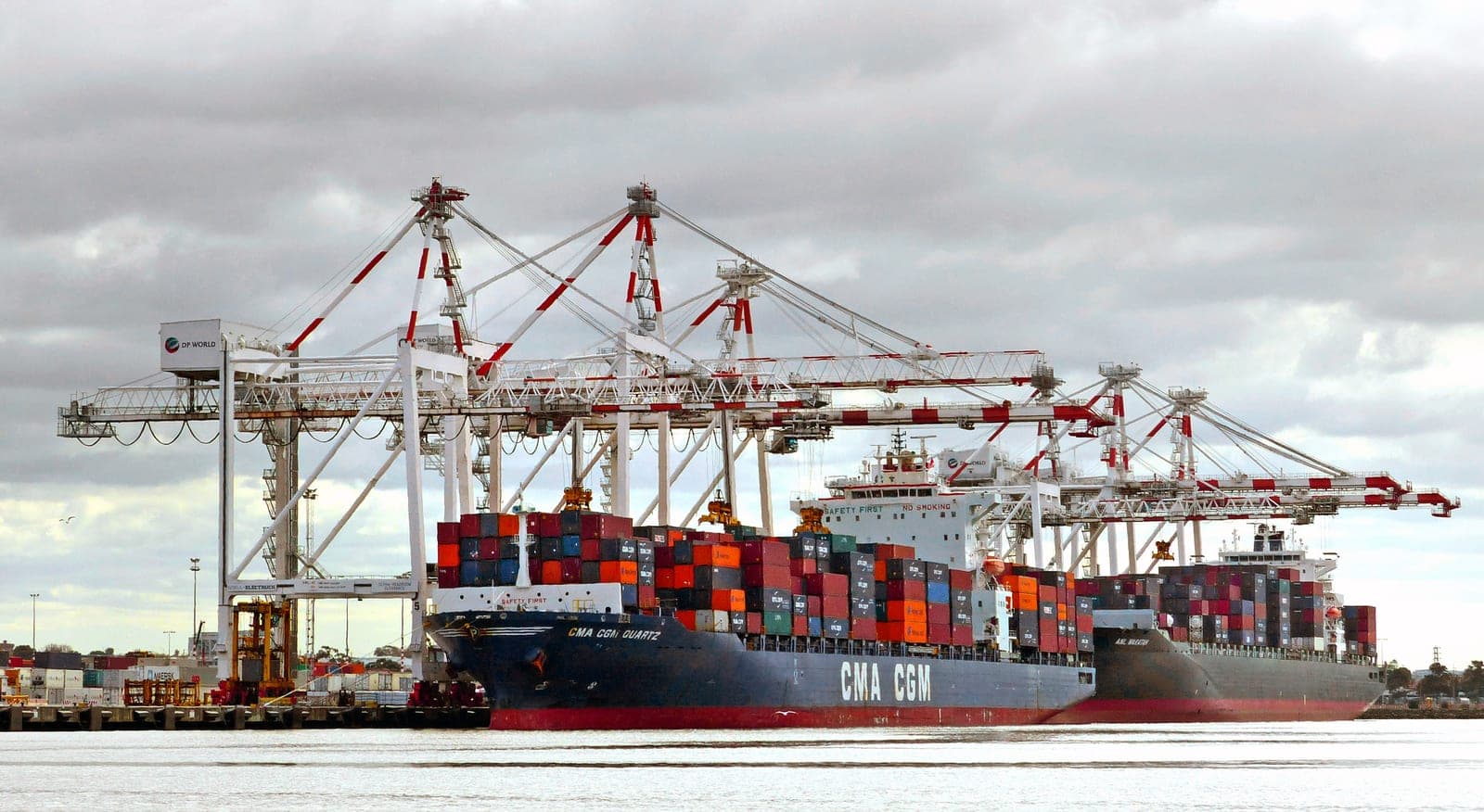
The order applies to domestic and foreign manufacturers alike, and that is what changes the maths for importers. Your Chinese supplier now needs its own BIS licence for every covered model it ships to you. Non-compliant goods can face import restrictions, seizure and penalties under the BIS Act.
Appliance categories under the 2026 QCO
In force for larger manufacturers
Last date, for micro enterprises
Some Chinese factories will get licensed. Others may decide a small Indian order book is not worth the effort. Better to know which kind yours is now than when a shipment is stuck at the port.
For the detail on who can hold a licence, read our guide to BIS, ISI and global certifications.
Which Products Should You Move First?
Do not move your whole range at once. Start with one or two products that pass three tests:
- They sell steadily. A product that moves every month justifies tooling. A seasonal experiment does not.
- They are hardest to keep importing. Products where your supplier has no BIS licence, or no plan to get one, go to the top of the list.
- They are mostly plastic, motor and assembly. Mixer grinders, choppers, hand blenders and fans are exactly what an Indian appliance factory already makes at scale.
A good switch starts small and earns the right to grow.
What Does the Factory Need From You?
Less than most importers expect. A strong starting pack is:
- Two or three production samples of the product you import today
- Your target price and the market it sells in
- Your monthly volume and how it moves through the year
- Every complaint and return you have had, with photos if you have them
- Your packaging and branding files
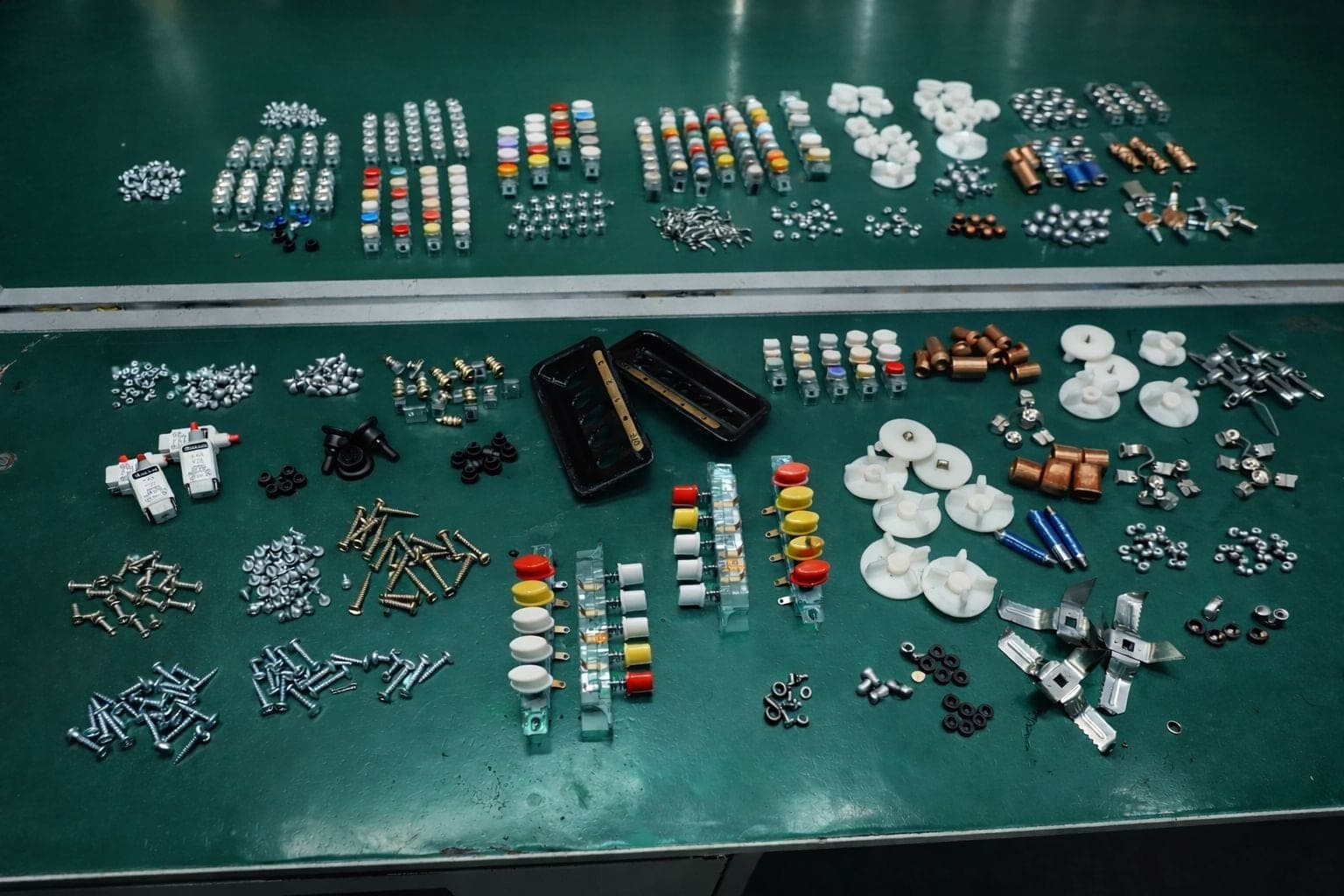
The factory strips a sample down to a bill of materials, checks which parts already exist on its own platforms, and tells you which need new moulds. Your complaints list matters as much as the sample. It tells the engineers what to fix, not just what to copy.
Should You Copy the Imported Product or Indianise It?
Indianise it. A product designed for a general export market often struggles in an Indian kitchen: the motor runs hot on hard grinding, the jar coupler wears out, the cord is too short, or it does not cope with voltage swings.
Switching is your best chance to fix these, because the moulds are being made anyway. A change on the drawing costs almost nothing. The same change after the steel is cut costs weeks.
Importers ask us to copy the product. We ask them for their return pile. The fastest way to beat an imported product is to fix what Indian customers already complain about.
How Do Tooling and Certification Fit In?
These two steps take the most time, so plan them together rather than one after the other.
Your brand, your design, your moulds, your customers and your pricing.
Moulding, motor winding, assembly, testing, certification support and dispatch, run by Topsail.
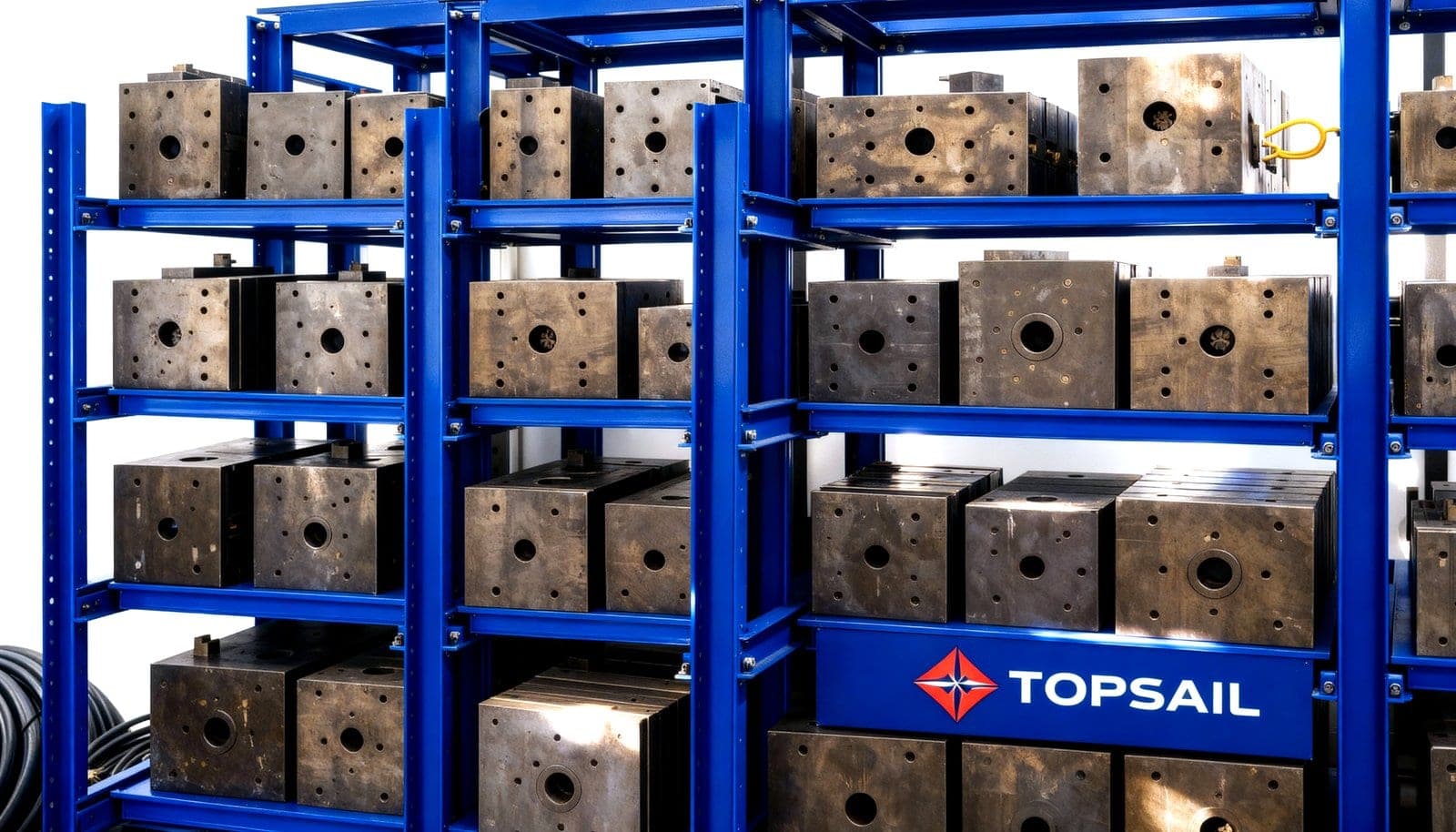
Tooling. New moulds are usually the longest single step. If your product can sit on a platform the factory already has, much of that time disappears. If you pay for new moulds, agree in writing that you own them.
Certification. Under the QCO, the licence belongs to the factory that makes the product, so when production moves, the new factory needs a licence covering your model. Send samples for testing as soon as trial parts exist, not after mass production is booked. Our OEM launch timeline shows how the stages can overlap.
How Do You Avoid a Gap in Stock During the Switch?
Run both supply lines side by side until the Indian product has proved itself.
| Phase | Imported stock | Made-in-India product |
|---|---|---|
| Planning | Order as usual | Samples, brief, costing |
| Tooling and testing | Keep a buffer of compliant stock | Moulds, trial shots, lab testing |
| Pilot | Run down slowly | Small pilot batch, real customer feedback |
| Switch over | Stop reordering | Full production |
The two mistakes to avoid are cancelling imports before the pilot passes, and holding imported stock you can no longer sell legally.
When you compare costs, put the full landed cost of the import, with freight, duty and the extra stock that long sea lead times force you to hold, against the Indian ex-factory price.
What This Means for Your Brand
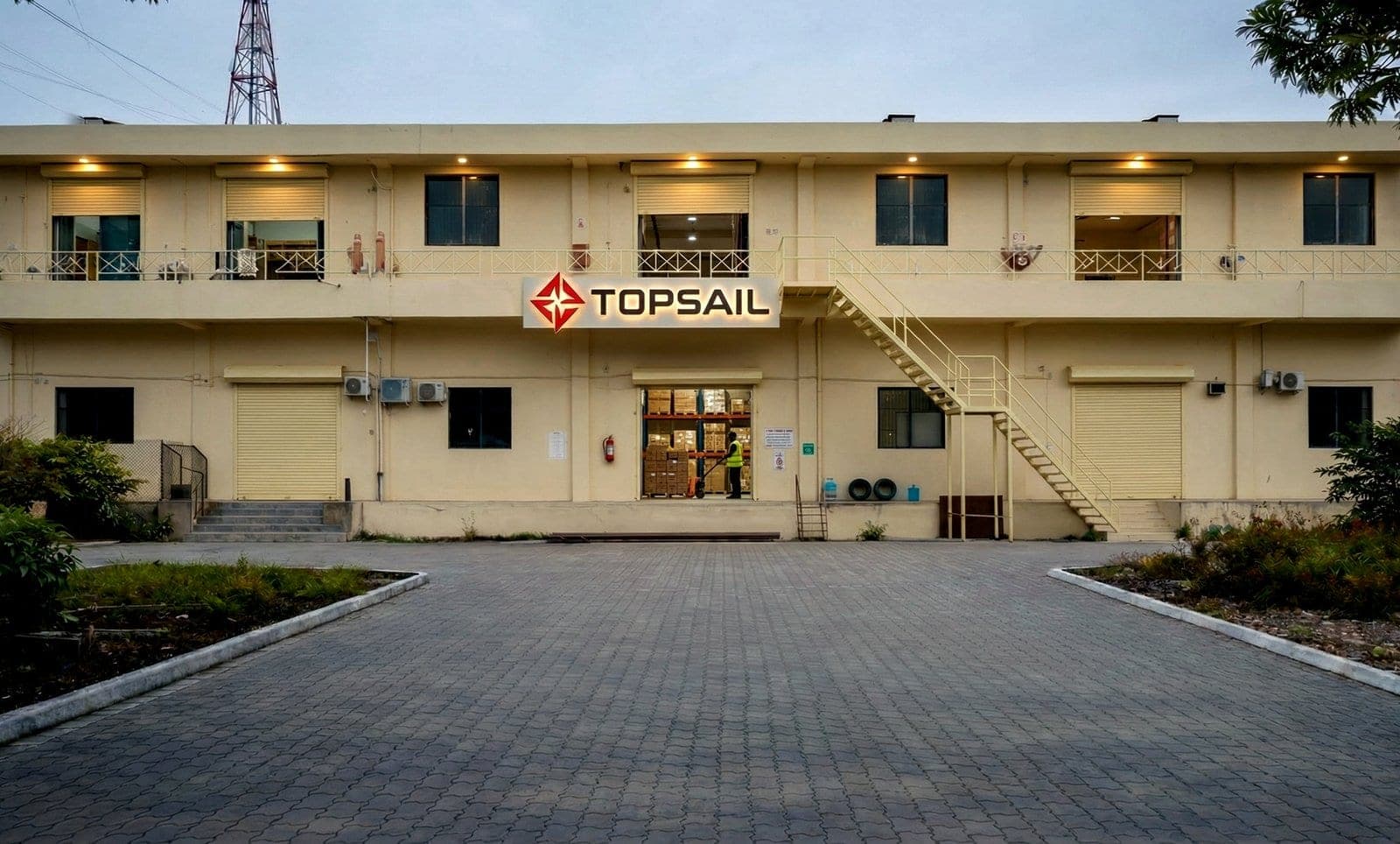
The 2026 QCO has made the question simple: either your current supplier gets licensed, or you need a factory that can certify your product in India. You do not need to own one. Topsail runs a vertically integrated factory in Silvassa with a fully automatic AC motor line, 12 injection moulding machines, more than 200 proprietary moulds and an in-house tool room, close to the Nhava Sheva and Hazira ports. Because motors, moulding, assembly and testing sit under one roof, we develop products 30 to 40% faster than a fragmented supply chain. You keep the design and the moulds. We run the factory.