What Certification Does an Appliance Need to Sell in India?
If you sell an electrical appliance in India, you almost certainly need BIS certification, and since 1 October 2026 that usually means an ISI mark.
The Bureau of Indian Standards runs two schemes that matter for appliance brands:
- ISI mark (Scheme I) for electrical appliances: mixer grinders, kettles, fans, toasters, heaters, massagers and similar products.
- CRS registration (Scheme II) for electronics and IT goods: power banks, adapters, LED products and the like.
Which one applies depends on the product, not on you. And in both cases the licence belongs to the factory that makes the product, not to the brand on the box.
ISI Mark or CRS: Which Scheme Covers Your Product?
| ISI mark (Scheme I) | CRS registration (Scheme II) | |
|---|---|---|
| Typical products | Kitchen appliances, fans, kettles, heaters, personal care | Power banks, adapters, LED products, IT goods |
| Testing | BIS recognised lab | BIS recognised lab |
| Factory audit | Yes, before the licence and in surveillance | No |
| Licence renewal | Every year | Longer validity, renewable |
| Mark on product | ISI mark with licence number | Standard Mark with R-number |
A rechargeable appliance can touch both. The appliance itself sits under the ISI scheme, while a separate charger or battery pack may need its own CRS registration. Check every component that ships in the box, not just the main unit.
What Changed With the 2026 Appliance QCO?
The Safety of Household, Commercial and Similar Electrical Appliances (Quality Control) Order, 2026 was notified on 6 April 2026. It replaced the 2025 version and brought more than 90 appliance categories under compulsory ISI certification.
Appliance categories covered
Deadline for most manufacturers
Safety standard, aligned with IEC 60335
Small enterprises have until 1 January 2027 and micro enterprises until 1 April 2027. The order covers single-phase appliances up to 250 V and others up to 480 V, including battery and DC powered products. Without the ISI mark, covered products cannot be imported, sold or distributed in India.
Who Holds the BIS Licence: the Brand, the Importer or the Factory?
The factory. BIS grants the licence to the manufacturer, for a specific product and model, made at a specific factory address. An importer or trader who does not own the factory cannot hold it.
That has three practical consequences for a brand:
- If you import from China, the Chinese factory must hold the licence under the Foreign Manufacturers Certification Scheme, with an Authorised Indian Representative.
- If you move production to another factory, the new factory needs its own licence. Nothing transfers.
- If you work with an Indian OEM, check that its licence covers your exact product category at the address where it will be made.
Our guide on how to vet a manufacturer in India shows how to check a licence on the BIS website in a few minutes.
How Does a Product Get an ISI Licence?
The process runs in four steps:
- Application on the BIS portal with factory and product documents
- Lab testing of samples at a BIS recognised lab against IS 302 and the relevant part
- Factory audit by a BIS officer, checking production, testing equipment and quality control
- Grant of licence, after which the ISI mark can be printed on the product
Consultants typically quote 8 to 12 weeks for a factory in India and 12 to 16 weeks or more for an overseas factory, where BIS auditors must travel. Most delays come from a failed test or missing documents, not from BIS itself.
A BIS licence is not a sticker you buy. It says one factory, at one address, can make the same safe product every single day. Choose the factory first, and the certificate follows.
Which Certifications Do Export Markets Ask For?
Goods made purely for export are generally outside the Indian QCO, but every export market has its own rules. These are the marks buyers ask Topsail for most often:
| Market | What buyers usually ask for |
|---|---|
| Saudi Arabia | SASO conformity |
| UAE | ECAS registration |
| European Union | CE marking and RoHS |
| Malaysia | SIRIM certification |
| Nigeria | SON conformity |
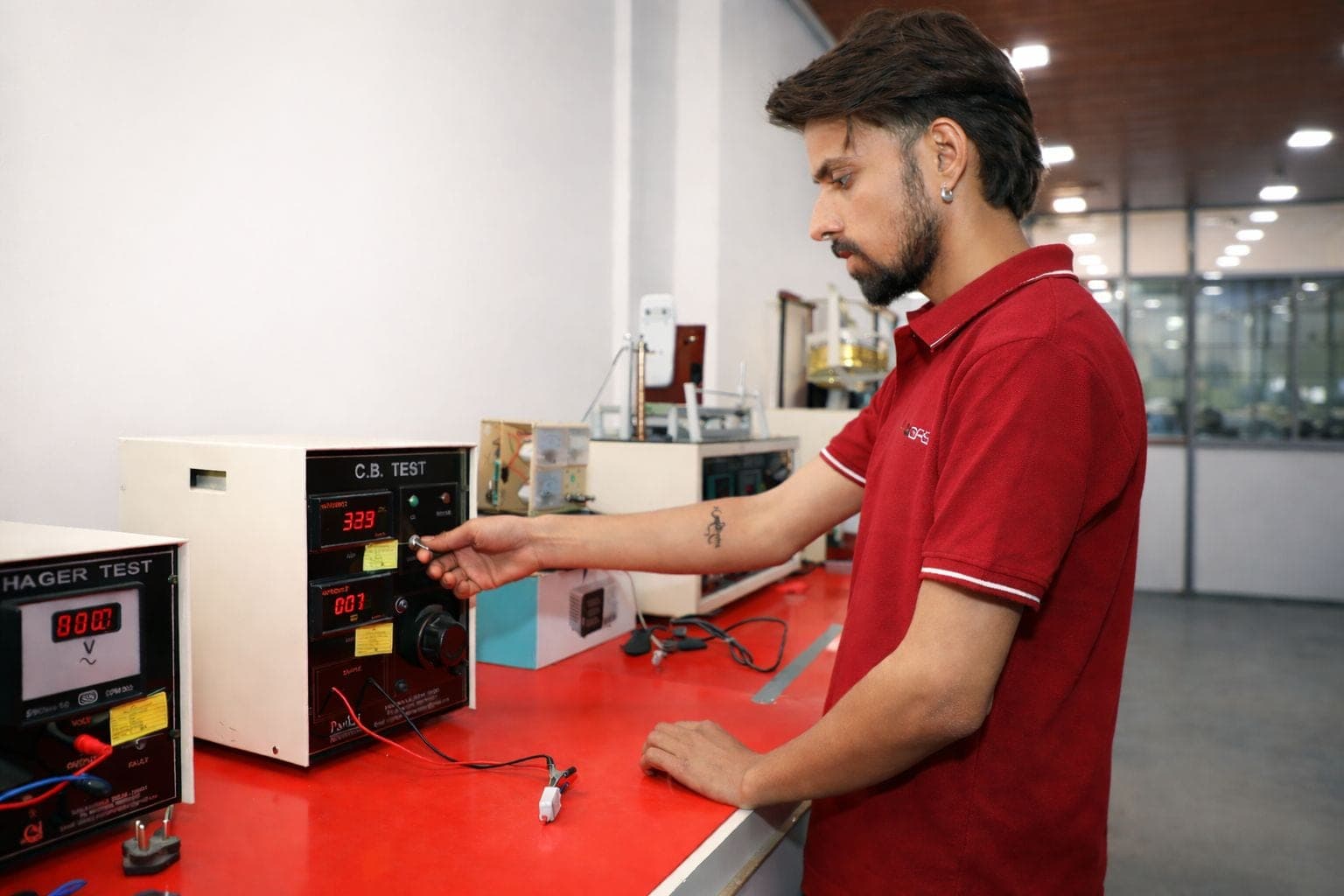
| Many markets | A CB test report against IEC 60335 |
Because India's IS 302 is aligned with IEC 60335, one well-built product can be tested for India and for export with far less rework than it used to need.
What Mistakes Delay Certification?
- Certifying one model and selling another. The licence covers the tested model. A new colour may be fine; a new motor or heating element may not be.
- Forgetting the charger. A rechargeable product can need a CRS registration for its adapter or battery.
- Choosing a trader instead of a factory. No licence can be issued to a company that does not make the product.
- Starting late. With the deadline now passed for larger manufacturers, stock without the ISI mark cannot be sold.
What This Means for Your Brand
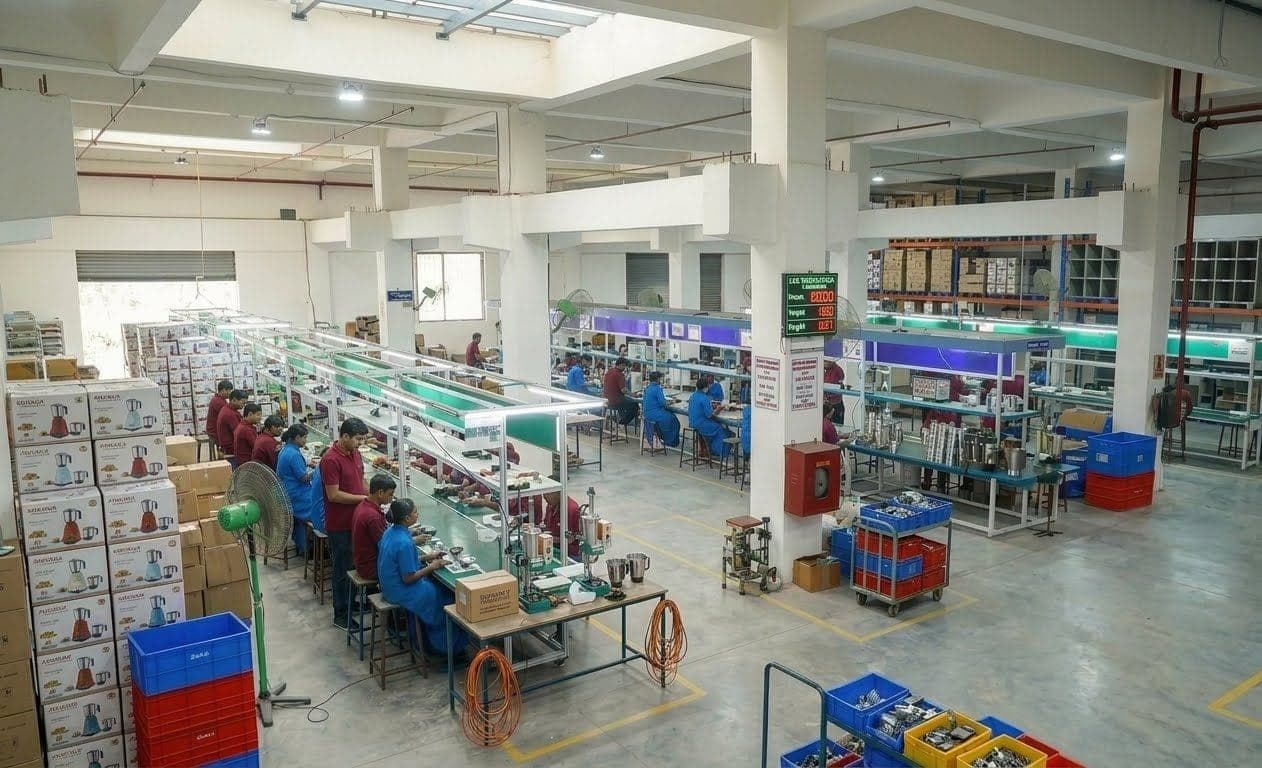
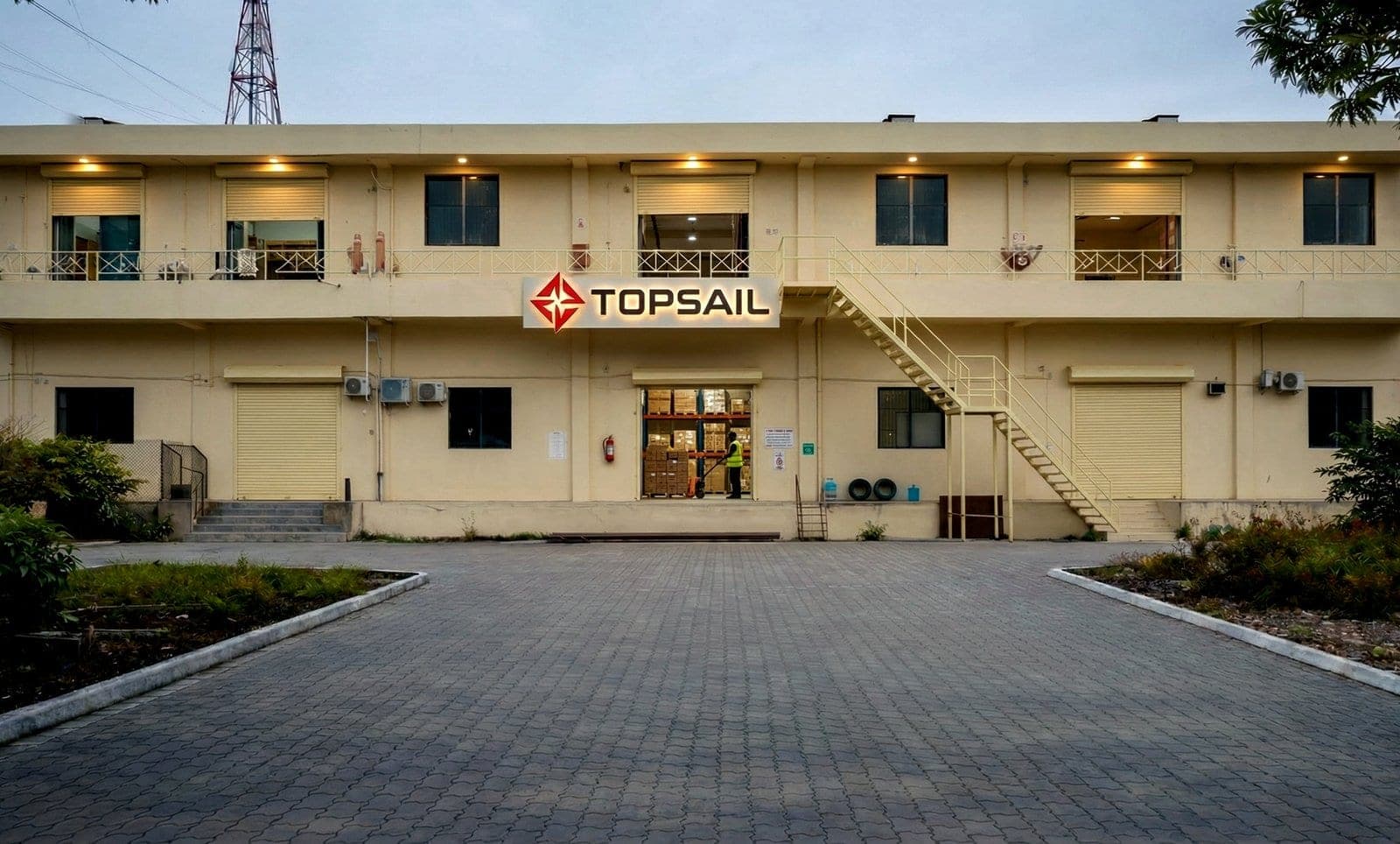
You do not need your own factory to sell a certified appliance in India. You need a factory that already holds the right licence for your product, and that can test for your export markets too. Topsail is a BIS licensed OEM factory in Silvassa, with products certified for CE, ECAS, SASO, SIRIM, SON and CB. See what we run under one roof, or talk to us about your product.