
What Is an Injection Mould?
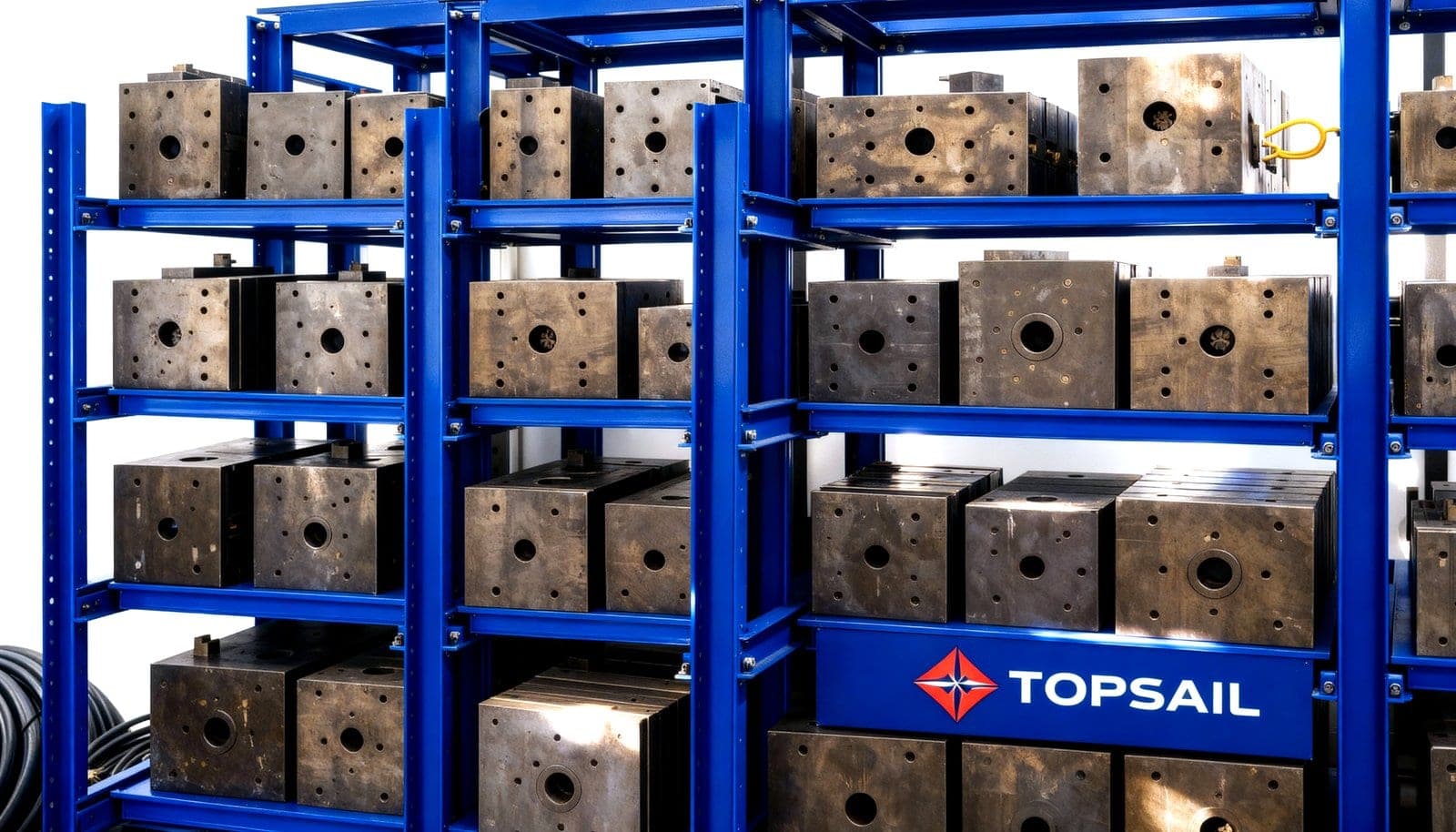
An injection mould is a precision steel tool. Molten plastic is injected into it under high pressure, cooled, and released as a finished part: a body shell, a jar lid, a fan blade, a switch cover.
One appliance can need several moulds, one for each major plastic part. Together, they are your product's DNA.
What Drives Appliance Tooling Cost?
- Part size. Bigger parts need bigger steel and bigger machines.
- Complexity. Undercuts, snap fits and moving slides all add cost.
- Steel grade. Harder steel costs more but lasts far longer and holds tolerance better.
- Cavities. A mould that makes two or four parts per shot costs more but cuts the unit price at volume.
- Finish. Gloss, texture and transparency all need extra work on the steel.
The cheapest mould is rarely the cheapest choice. Soft steel wears faster, and worn tooling is one of the quiet causes of quality failures at volume.
Who Owns the Mould in Contract Manufacturing?
Whoever paid for it, if the agreement says so. This is where most disputes between brands and factories start. Not because anyone set out to cheat, but because nobody wrote it down.
If the mould was built for your design and you paid for it, it is yours. If it was built by the factory for its own catalogue, it is theirs, which is the case under most private label and ODM arrangements.
If you paid for the mould and you don't have it in writing, you have a receipt, not ownership. A two-page agreement today saves a two-year argument later.
What Should a Mould Agreement Include?
| Clause | What it should say |
|---|---|
| Ownership | Who owns the mould once paid for, and from what date |
| Exclusivity | The factory cannot use it to make parts for anyone else |
| Location and insurance | Where it is kept, and who insures it against fire, flood or damage |
| Maintenance | Who pays for routine cleaning, repairs and refurbishment |
| Transfer | How and with what notice you can move it to another factory |
| Records | Mould number, drawings, cavity count and shot count kept on file |
How Long Does an Injection Mould Last?
A well-made, hardened-steel mould that is cleaned and maintained properly can produce hundreds of thousands of parts. Neglected, the same mould starts to flash, stick and wear out of tolerance far sooner.
Ask your manufacturer how they track shot counts and schedule maintenance, and how they will tell you when a mould needs work.
How Can Brands Pay for Tooling?
- Pay upfront. Simplest, and you own the mould outright from day one.
- Amortise across units. The manufacturer funds the mould and recovers it through a small amount added to each unit.
- Bring in a tooling investor. An investor funds the mould and earns a return per unit sold, keeping cash free for marketing and stock.
The right structure depends on your volumes and your cash flow. What matters is that ownership is clear in every one of them.
What This Means for Your Brand
Your mould is your product's identity, and it should be treated like an asset, not an invoice. Topsail runs an in-house tool room with 200+ proprietary moulds, builds and maintains tooling for brand partners, and puts ownership in writing from the start. You keep the design and the mould. We keep it running.