

Why Do Multi-Supplier Appliance Projects Get Delayed?
They get delayed because every handover between suppliers adds waiting time and blurs who is responsible. A typical mixer grinder has a motor, a body, jars, blades, couplers, switches and packaging. In a fragmented supply chain, each of those can come from a different supplier.
Now imagine the jar coupler does not sit right on the motor shaft. The motor supplier blames the mould. The mould maker blames the motor. The assembler waits. Every round of samples means another courier, another week, another call.
Nobody is wrong. But nobody owns the whole product either.
What Is Vertical Integration in Appliance Manufacturing?
It means the steps that decide quality happen in one facility, run by one team.
- Motors. Wound and built in-house, so motor performance is designed around the product, not bought off a shelf.
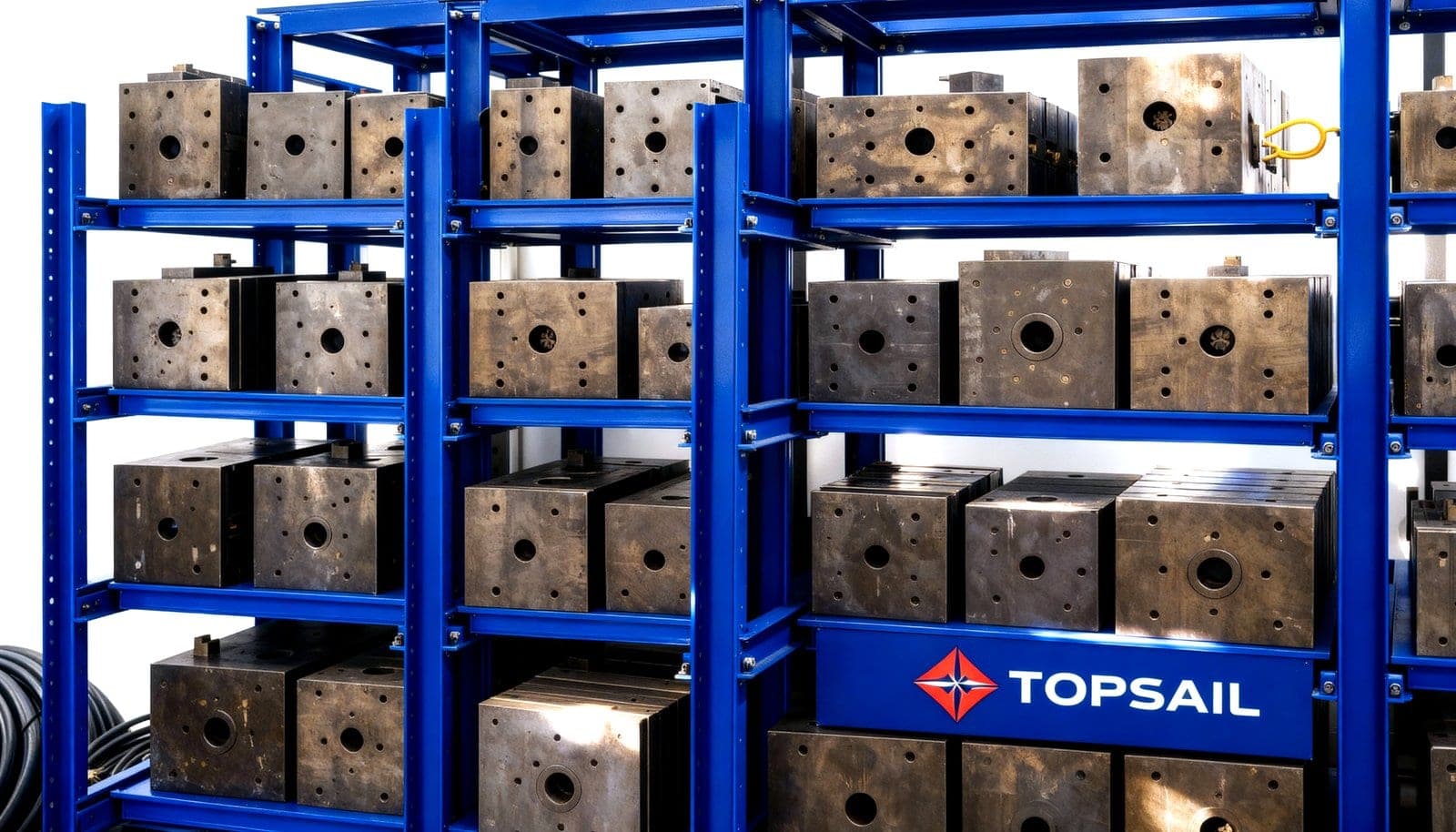
- Tooling. Moulds designed and maintained in an in-house tool room, so changes do not wait on an outside workshop.
- Moulding. Plastic parts made on our own machines, with settings controlled batch to batch.
- Assembly. The product built on lines next to the parts it uses.
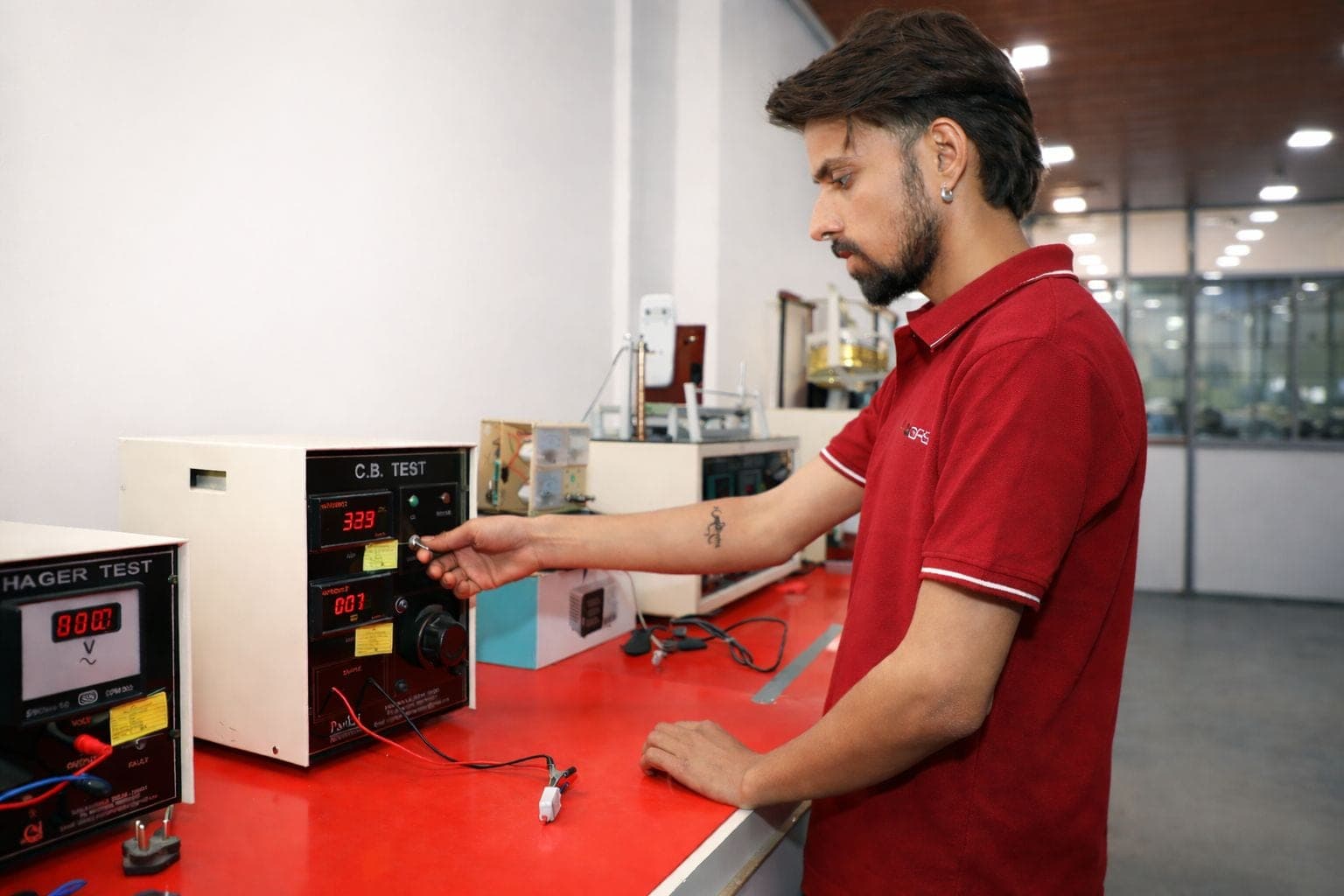
- Testing. Every check, from motor testing to final inspection, done before the product leaves the building.
How Does Vertical Integration Speed Up Development?
When a sample fails, the fix starts the same afternoon. The tool room can adjust a mould, the moulding team can run new parts, and assembly can test the fit, all without a single courier.
That is why we develop products 30 to 40% faster than a fragmented supply chain allows. The time saved is not in working harder. It is in removing the waiting between steps.
How Does Vertical Integration Improve Quality?
Most quality failures start where one supplier's part meets another's. A motor that runs slightly hotter than specified. A moulded part that shrinks a fraction more in one batch. On their own, each is within tolerance. Together, they fail.
Under one roof, the same team owns both sides of every joint. Problems get traced to a root cause instead of passed along the chain. Why appliance products fail quality checks covers those root causes in detail.
A brand doesn't need ten suppliers and ten excuses. It needs one partner who owns the whole product, from the copper in the motor to the tape on the box.
Inside the Topsail Factory in Silvassa
| Capability | What it means for your product |
|---|---|
| Fully automatic AC motor line | Motors built for your product, with consistent performance |
| 12 injection moulding machines | Plastic parts made in-house, controlled batch to batch |
| 200+ proprietary moulds | Proven platforms that shorten development |
| In-house tool room | Mould changes and repairs without outside delays |
| Motor winding to final testing | One team accountable from first part to finished unit |
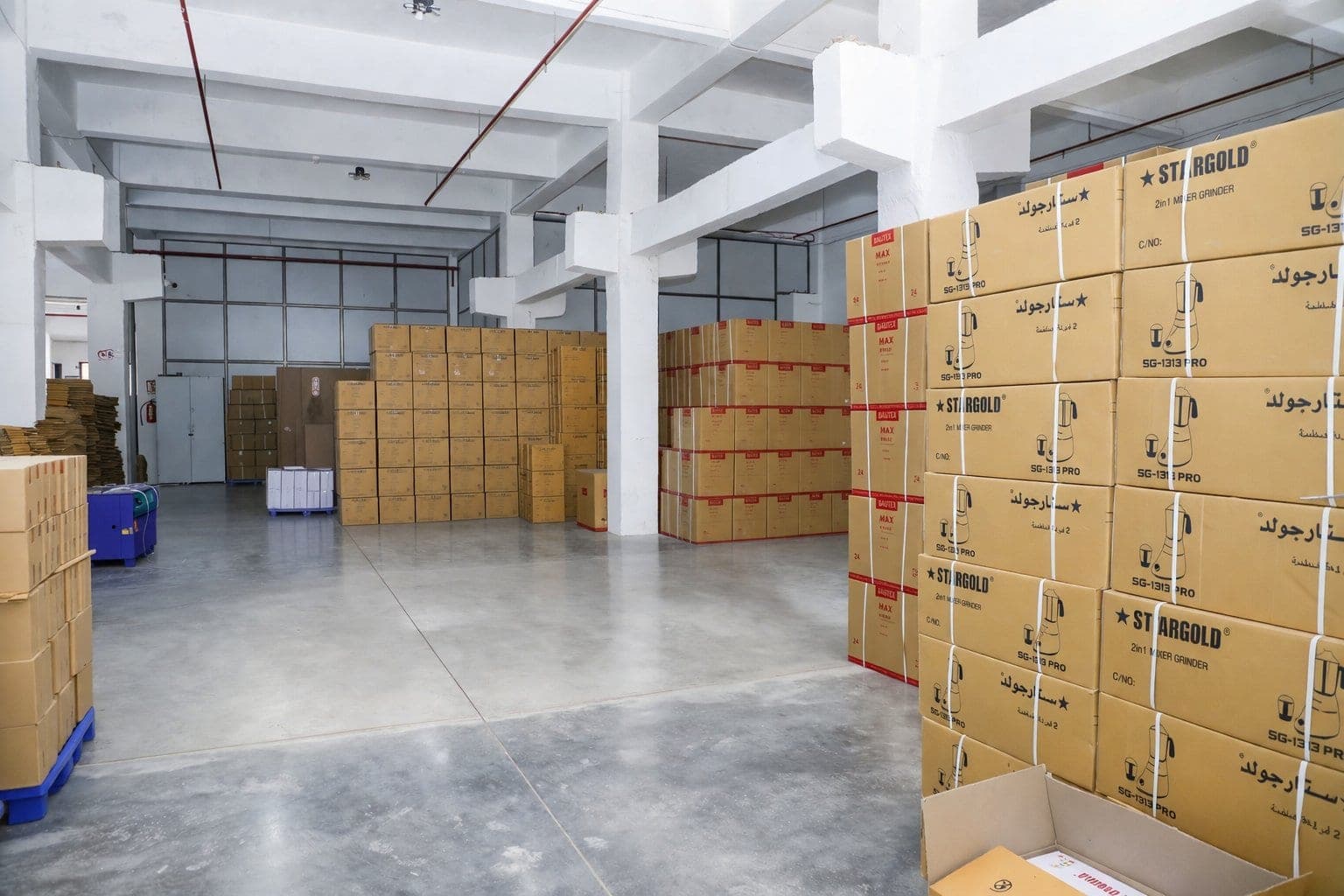
| 24×7 production capacity | Room to scale when your product takes off |
| Near Nhava Sheva and Hazira ports | Shorter routes for export and inbound material |
How Can You Check If a Manufacturer Is Really Integrated?
- Ask which parts are made in-house and which are bought in. Ask to see each area.
- Ask where the moulds are built and who repairs them.
- Ask whether motors are made on site or sourced from a supplier.
- Ask how long a mould change takes from request to new sample.
- Walk the floor. Integration is easy to claim and easy to see.
Our founder's checklist for vetting a manufacturer in India covers the rest of the questions to ask before you sign.
What This Means for Your Brand
You don't need to coordinate a chain of suppliers to put a quality appliance on the shelf. Topsail runs motors, moulding, assembly and testing under one roof in Silvassa. You keep the design and the brand. We own the whole build, and the accountability that comes with it.