
How Do You Vet a Manufacturer in India?
Vetting a manufacturer comes down to five checks, done in this order:
- Verify that the paperwork matches the pitch
- Confirm this is the factory that will actually make your product
- Look at the quality system as it runs on the floor, not as it reads in a binder
- Pay for a sample and a pilot batch before full volume
- Put tooling ownership, defect terms and confidentiality in writing
Each check filters out a different kind of bad partner. The paperwork catches traders posing as factories. The floor visit catches factories that subcontract the hard parts. The pilot catches factories that can make one good unit but not ten thousand. The contract protects you from the ones that pass everything else and still go wrong later.
Step 1: Does the Paperwork Match the Pitch?
Almost everything you need to check first is public and free. Before you book a flight, look up three records and compare them.
- GSTIN. Search it on the GST portal. Confirm the legal name, the principal place of business, and that the registration is active.
- Company registration. For a private or public limited company, check the MCA portal for the incorporation date, the directors and whether filings are up to date.
- BIS licence. If your product falls under a Quality Control Order, check the BIS website for a licence that covers your product category at the factory's exact address.
All three should name the same entity and the same location. When they don't, the company in front of you is usually not the one doing the manufacturing.
Step 2: Is This Actually the Factory That Will Make Your Product?
Many suppliers own an office and a sample room, then place your order with someone else. That isn't always wrong, but you should know about it before you sign.
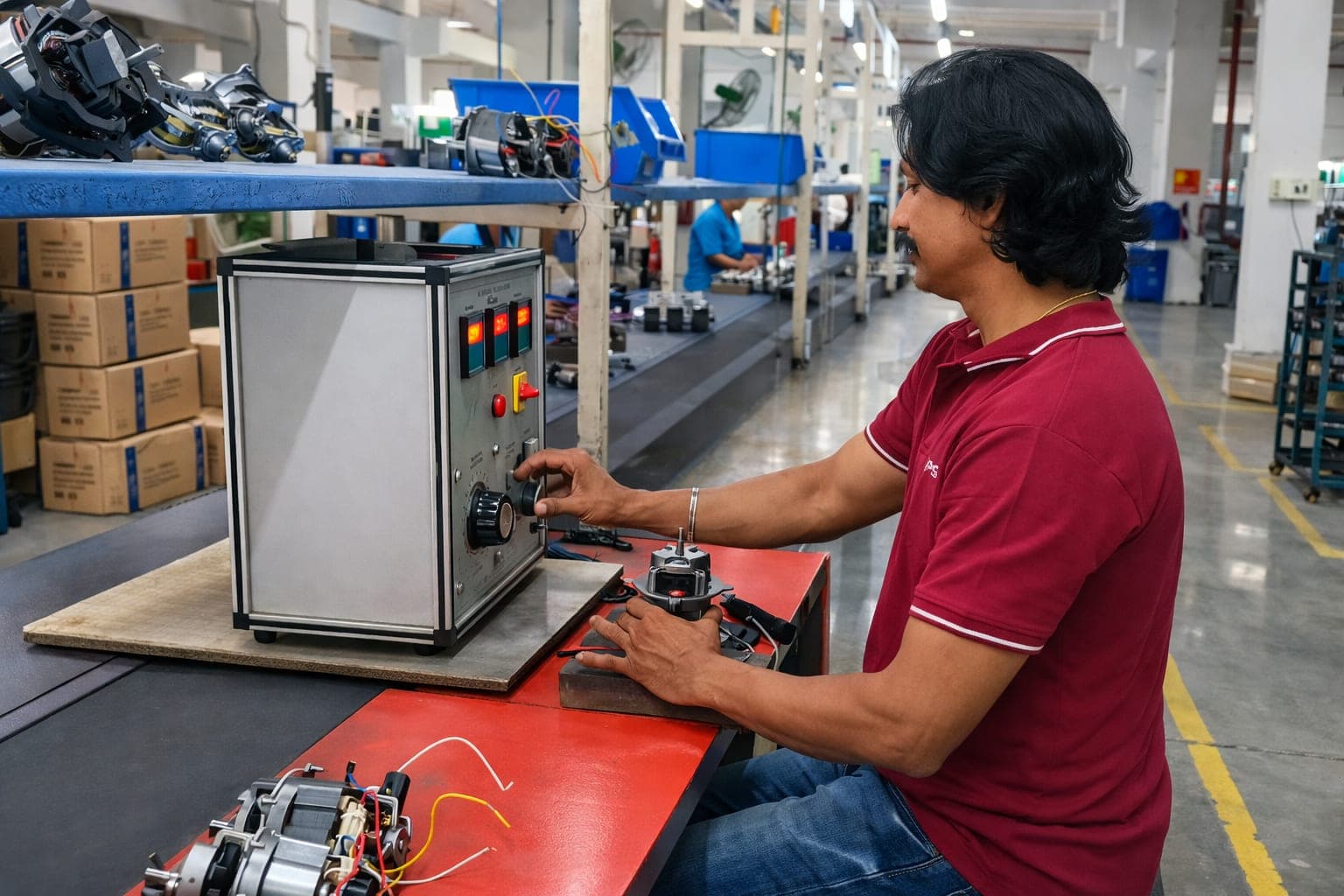
Visit, and watch what is actually running. Ask which processes are done in-house and which are sent out, then check that the answer matches what you see.
| Process | What to look for on the floor |
|---|---|
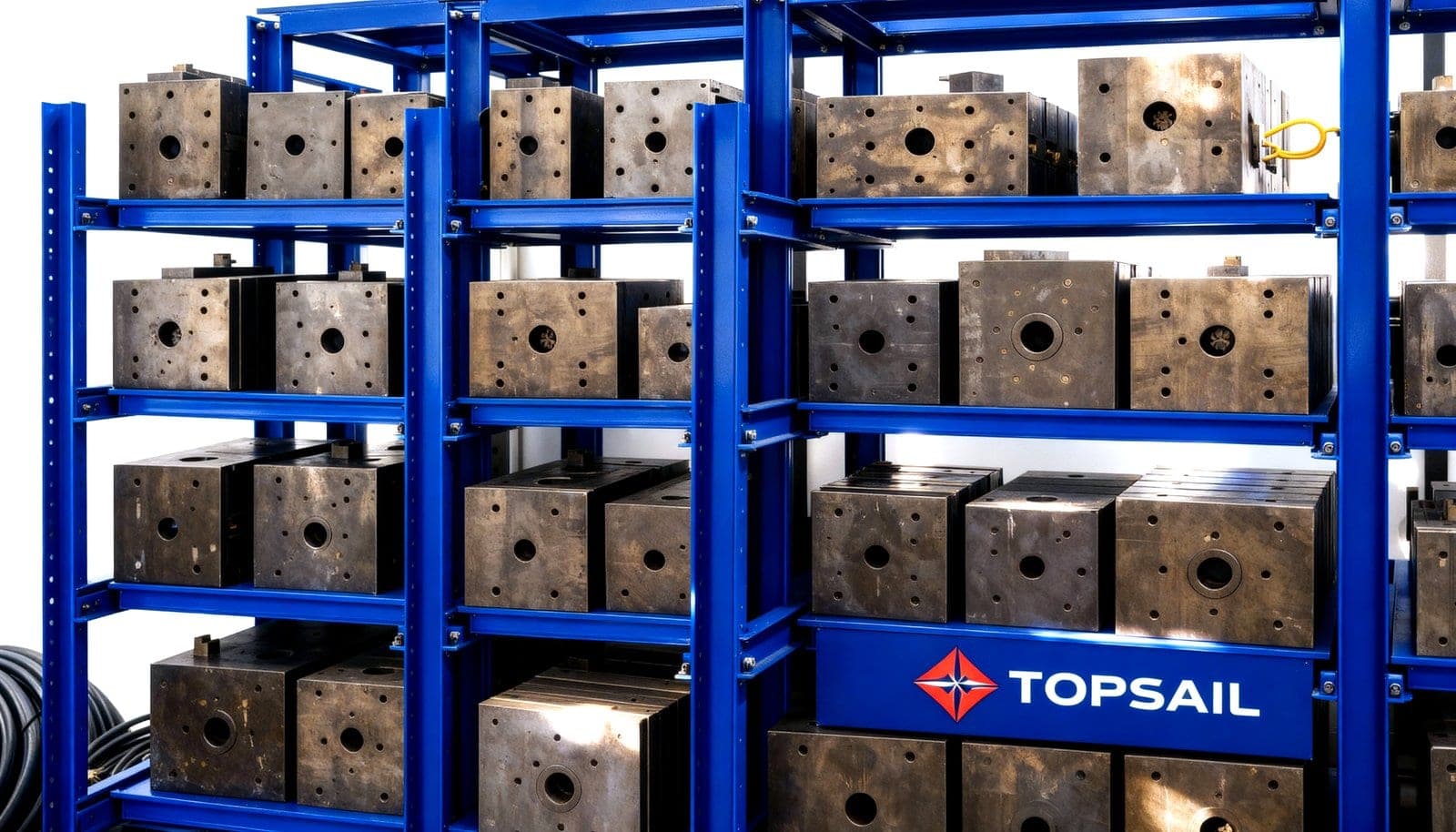
| Moulding | Machines of the right size running real parts, with mould storage on site |
| Motors and electricals | In-house winding or a named, audited supplier |
| Assembly | Dedicated lines with work instructions posted at each station |
| Testing | Safety and performance test benches in use, with calibration labels in date |
| Stores | Labelled raw material with batch numbers you can trace |
A factory that moulds, assembles and tests under one roof gives you one party accountable for a defect. A chain of subcontractors gives you a chain of people who each say the problem started somewhere else.
Step 3: What Does the Quality System Look Like on the Floor?
An ISO 9001 certificate is a starting point, not proof. It shows that a system was written down and audited at some point. It doesn't show that anyone follows it today.
Ask to see records in active use:
- Incoming inspection reports for last week's raw material
- Filled-in in-process checklists from the current shift
- Final test logs, including electrical safety tests for every unit, not a sample
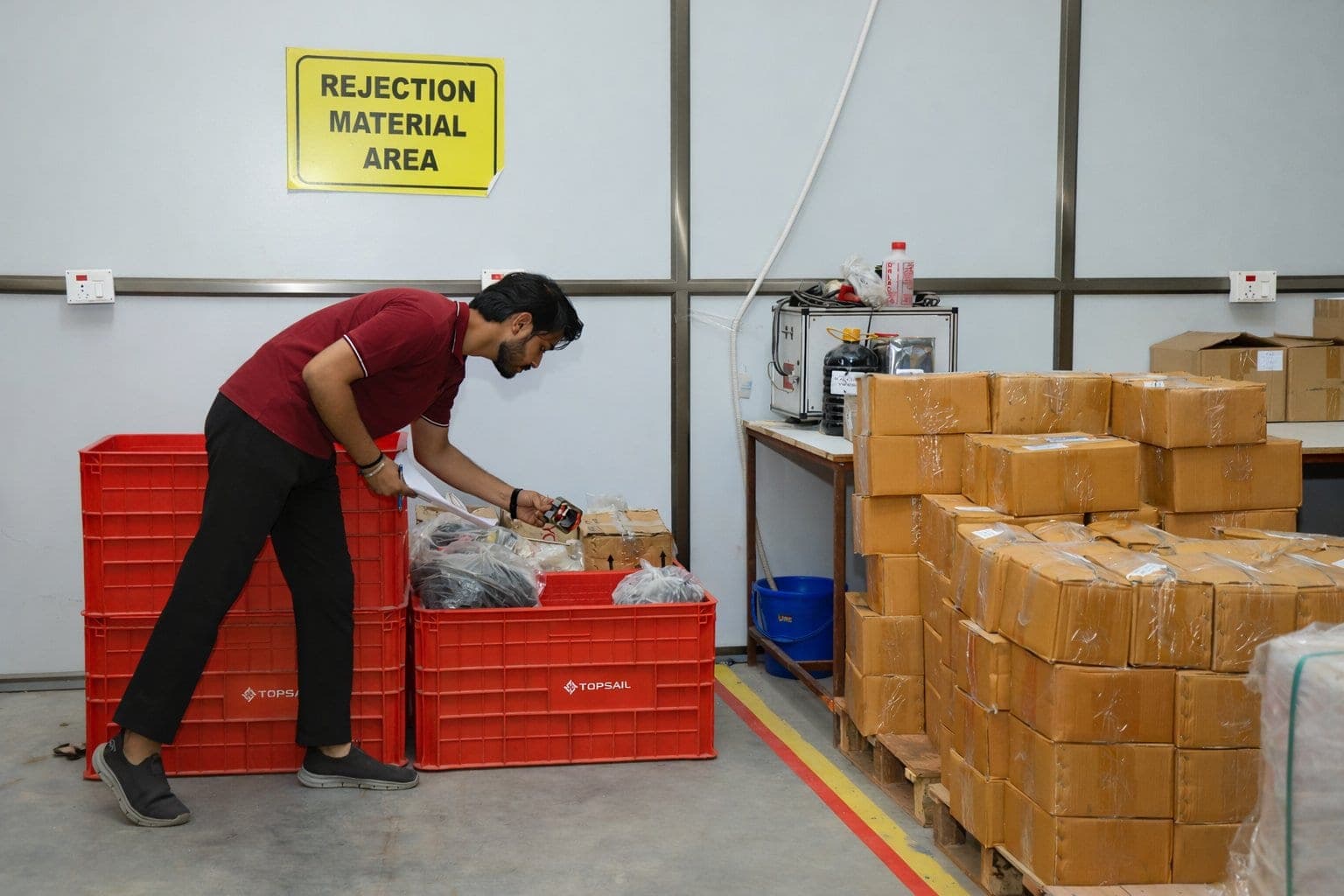
- What happens to a failed part: where it goes, who signs off, how the cause is recorded
The reasons products fail here are well known, and most of them start at the mould and the material grade. We cover them in detail in why appliance products fail quality checks.
Step 4: What Should a Sample and Pilot Run Prove?
A sample proves a design can be made once. It is often finished by hand, by the best operator in the building. A pilot batch proves the factory can make it repeatedly, on production tooling, with normal operators.
Agree on a golden sample as the reference, then pay for a pilot of a few hundred units. Test every unit against your specification, not a handful. Look at the spread, not the average. A pilot where every unit passes but the dimensions drift across the batch is telling you what full volume will look like.
Step 5: Who Owns the Tooling, the Design and the Data?
The contract is where a good partnership is protected from a bad year. Before any tooling is cut, get these in writing:
- Mould ownership. If you pay for the moulds, you own them, and you can move them to another factory.
- Confidentiality. Your design, drawings and bill of materials stay yours and aren't sold under another label.
- Defect allowance and chargebacks. The acceptable defect rate, and who pays when field failures exceed it.
- Payment milestones tied to approved samples and pilot results, not to calendar dates.
Tooling ownership is the clause that matters most, and it works differently across models. Private label vs OEM vs ODM sets out who owns what in each one.
Which Red Flags Should End the Conversation?
| Red flag | What it usually means |
|---|---|
| GST, MCA and BIS records name different entities or addresses | You are talking to a trader, not the factory |
| No floor visit allowed, or only a sample room | Production happens somewhere you can't see |
| Quality records only exist as a certificate | The system isn't followed day to day |
| Refuses a paid pilot and pushes for a full order | They can't, or won't, prove consistency |
| Won't put mould ownership in writing | Your tooling becomes their leverage |
None of these is unusual. Any one of them is reason enough to walk away before the first purchase order.
What This Means for Your Brand
You now have the checklist, and you should use it on every partner you consider, including us. Topsail runs motor winding, moulding, assembly and testing under one roof in Silvassa, so there is one floor to audit and one party accountable for the result. Your moulds stay yours, in writing. If you'd like to run these five checks on us, book a factory visit.