
What Are the Stages of an OEM Appliance Launch?
- Brief and feasibility
- Design and samples
- Tooling
- Certification
- Pilot run
- Mass production and dispatch
The stages never change. What changes is how long each one takes, and how many of them can overlap.
Stage 1: Brief and Feasibility
You tell us what you want to sell, at what price, to whom and in which markets. We check whether it can be built at that cost, which parts already exist, which need new tooling, and which certifications apply.
A clear brief here saves weeks later. A vague one guarantees changes mid-tooling, which is the most expensive time to change anything.
Stage 2: Design and Samples
If you are building on an existing design with your branding, colours and packaging, this stage is short. If the product is new, it includes industrial design, 3D models and prototype samples, so you can hold the product before committing to steel.
This is the stage to argue about every detail. Once tooling starts, every change costs time and money.
Stage 3: Tooling
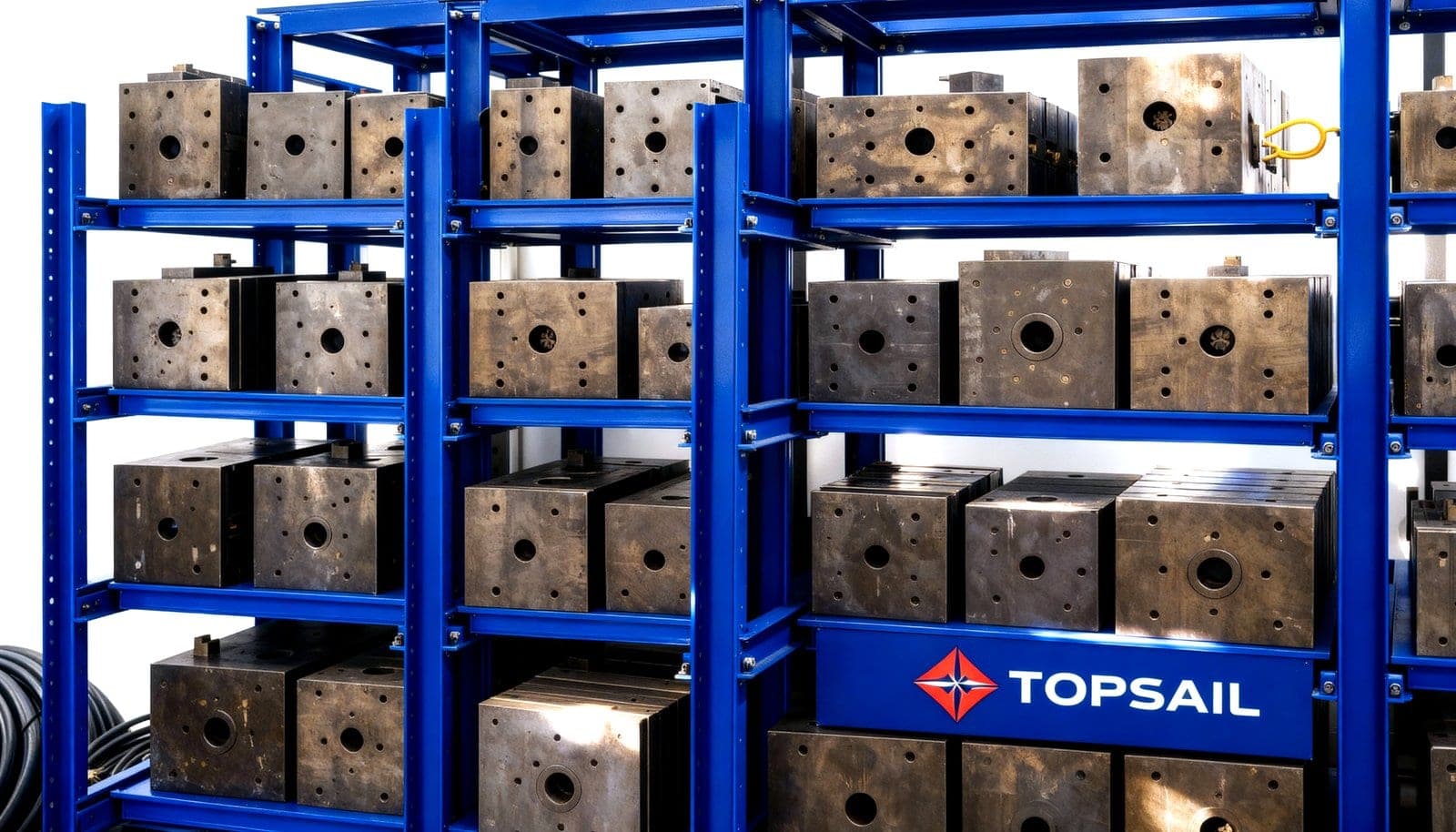
New moulds are usually the longest single step. Once the design is frozen, the tool room builds the moulds and runs trial shots. Parts are measured, the steel is adjusted, and trials are repeated until the parts are right.
If you are paying for new tooling, read who owns the mould before you sign anything.
Stage 4: Certification
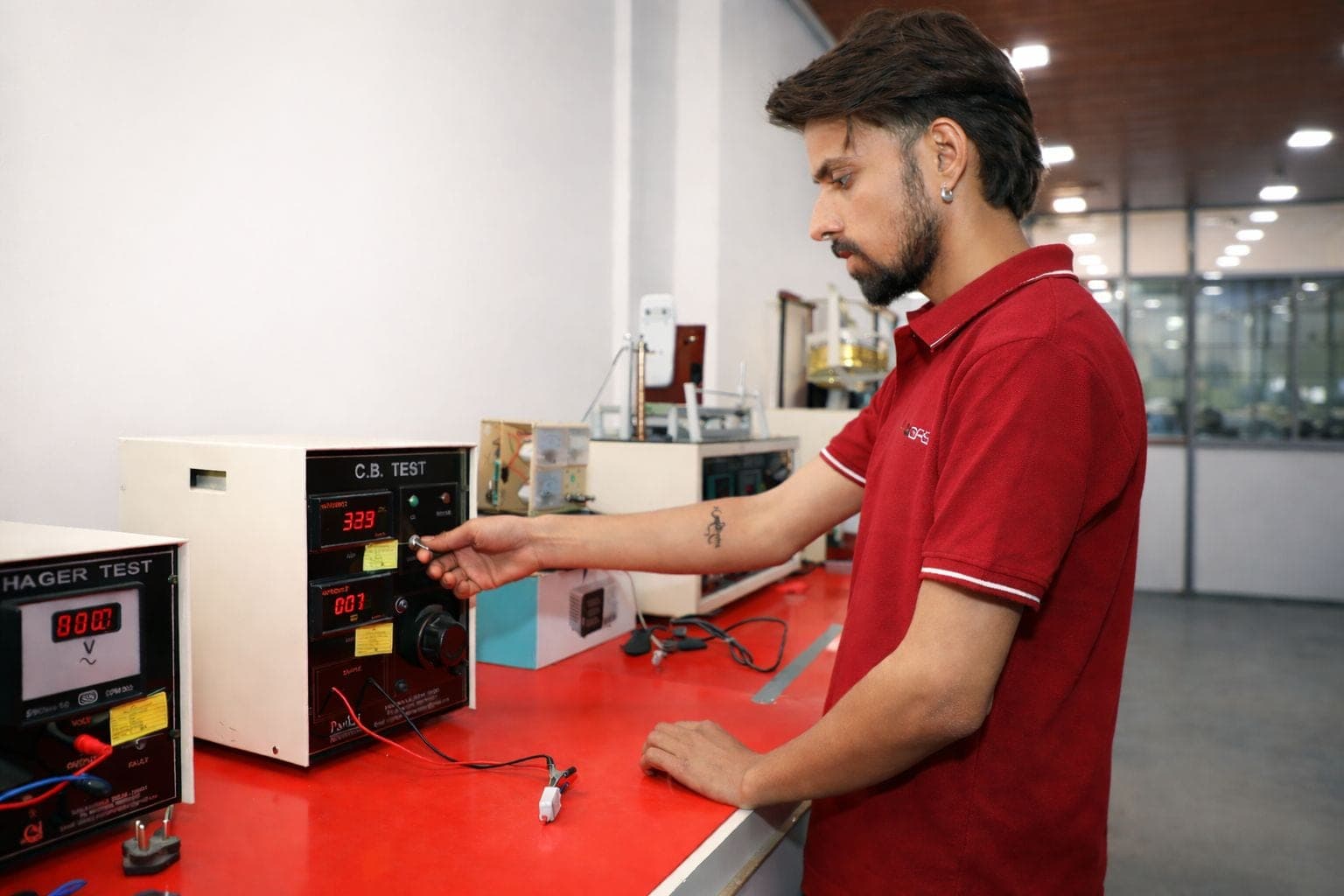
Where BIS or export approvals are required, samples go to recognised labs for testing. Planned late, this stage adds weeks to the end of the project. Planned early, it runs alongside tooling and adds almost nothing.
Stage 5: Pilot Run
Before mass production, a small pilot batch tests the assembly line, the packaging and the quality checks together. It is the last cheap chance to catch a problem. Skipping validation before volume is one of the most expensive mistakes in appliance manufacturing.
Stage 6: Mass Production and Dispatch
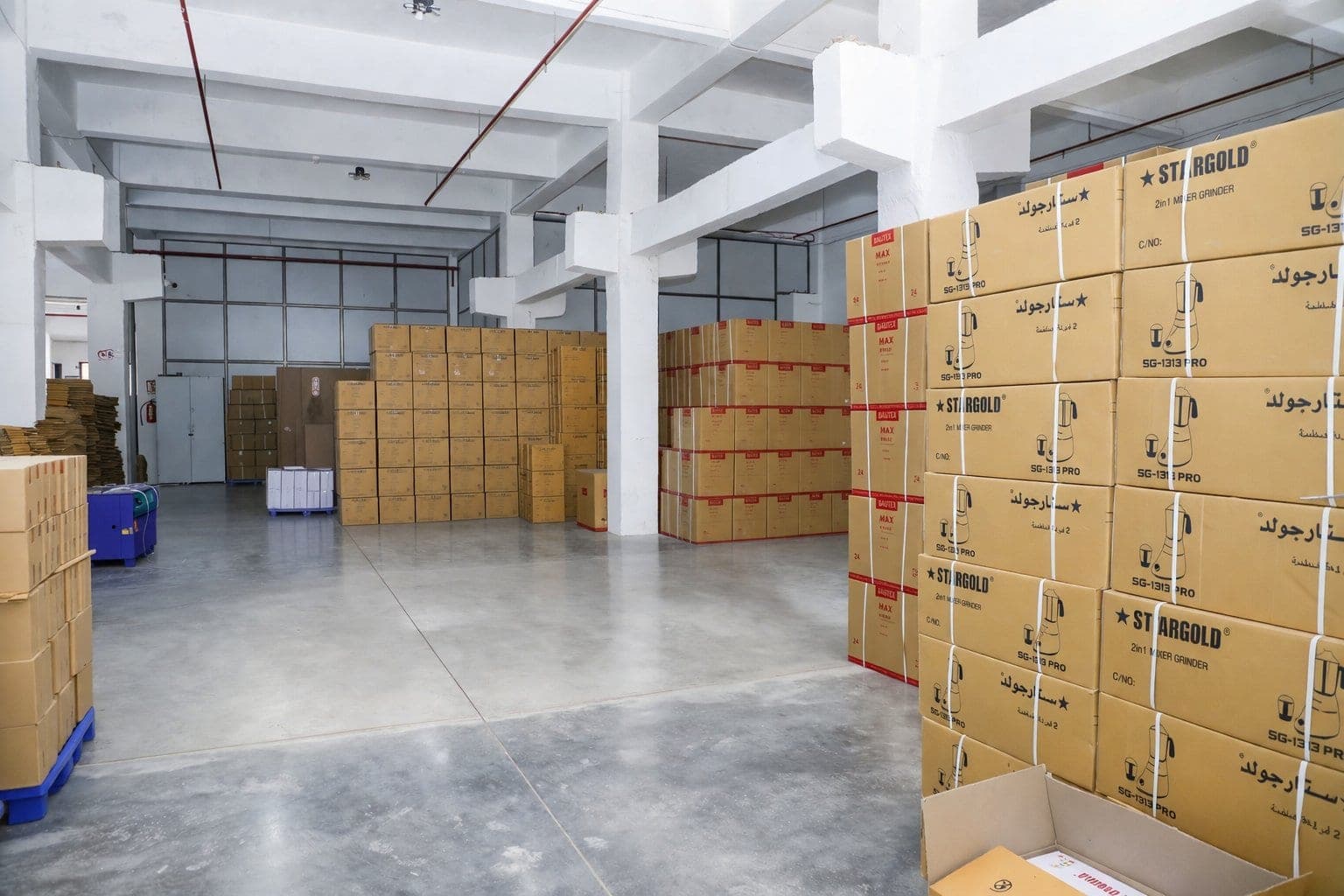
Once the pilot is approved, production starts at full volume. Final inspection, packing and dispatch follow, to your warehouse in India or to port for export.
Most launches aren't late because the factory was slow. They're late because the design changed after the steel was cut. Freeze the design, and the calendar takes care of itself.
Which Stages Take the Longest?
Tooling and design take the longest, but only when the product is new. A product built on an existing platform skips most of both.
| Stage | Existing platform, your branding | New design from scratch |
|---|---|---|
| Brief and feasibility | Short | Short |
| Design and samples | Short: branding, colours, packaging | Long: design, 3D models, prototypes |
| Tooling | Minimal or none | Longest single step |
| Certification | Often already in place | Needed for the new model |
| Pilot run | Short | Short |
| Mass production | Same for both | Same for both |
How Can You Launch an Appliance Faster?
Three changes save the most time: start from a proven platform, freeze the design before tooling, and run certification in parallel.
- Start from a proven platform. Using an existing motor, jar or body and changing the look and branding is far quicker than designing from zero.
- Freeze the design early. Most delays come from changes made after tooling has started.
- Run certification in parallel. Plan approvals at the start, test early samples, and have them ready when production is.
What This Means for Your Brand
A realistic timeline is one you can plan a festive season around. With 200+ proprietary moulds, an in-house tool room and motors, moulding, assembly and testing under one roof, Topsail develops products 30 to 40% faster than a fragmented supply chain. You bring the launch date. We tell you honestly whether it can be hit, and how.